






Bloating: Causes, symptoms and remedies
Bloating, a prevalent digestive concern, occurs when the abdomen becomes distended, often accompanied by discomfort or pain, significantly impacting daily life. It's imperative to grasp the causes, symptoms, and remedies for effective management.
What causes bloating? The reasons are diverse, spanning from dietary choices to underlying medical conditions. Consumption of gas-producing foods like beans and broccoli, as well as habits like chewing gum or smoking, contribute to excess gas accumulation. Conditions such as irritable bowel syndrome (IBS) and lactose intolerance frequently present bloating as a symptom.
Symptoms include a visibly swollen abdomen, feelings of fullness, excessive gas, and discomfort, often accompanied by changes in bowel habits such as constipation or diarrhoea.
Remedies include dietary modifications, hydration, mindful eating, and avoiding carbonated beverages. Understanding the causes, symptoms, and remedies is vital for effectively knowing what helps with bloating and enhancing overall digestive well-being.
Causes of bloating
It can result from a variety of causes, ranging from dietary factors to underlying medical conditions. Here are some common reasons of what causes bloating:
1. Gas build-up: When undigested food reaches the colon, bacteria break it down, producing gas as a byproduct. Excess gas can accumulate in the digestive system, leading to bloating. Gas-producing foods such as beans, broccoli, onions, and carbonated drinks can exacerbate this.
2. Swallowing air: Consuming food or drinks too quickly, chewing gum, or smoking can cause individuals to swallow excess air, leading to bloating.
3. Digestive disorders: Conditions like irritable bowel syndrome (IBS), characterised by abnormal contractions of the intestines, can cause bloating. Similarly, conditions such as lactose intolerance, where the body lacks the enzyme to digest lactose found in dairy products, or celiac disease, an immune reaction to gluten, can also lead to bloating.
4. Food intolerances: Some individuals may have sensitivities or intolerances to certain foods, such as gluten or lactose, leading to bloating as a symptom.
5. Constipation: When stool moves slowly through the digestive tract, it can cause a feeling of fullness and bloating. Constipation can be caused by factors such as a low-fibre diet, dehydration, or certain medications.
6. Hormonal changes: Fluctuations in hormones, particularly during menstruation or pregnancy, can contribute to bloating in some individuals.
7. Fluid retention: Certain medical conditions, such as kidney disease or heart failure, can cause the body to retain excess fluid, leading to bloating.
8. Medications: Some medications, including certain pain relievers, antidepressants, and antacids containing sodium bicarbonate, can cause bloating as a side effect.
Understanding these potential causes can help individuals identify triggers and take appropriate steps to implement what helps with bloating effectively.
Symptoms of bloating
Bloated stomach manifests with a range of uncomfortable symptoms, which can vary in severity from mild discomfort to significant distress. Common symptoms of bloating include:
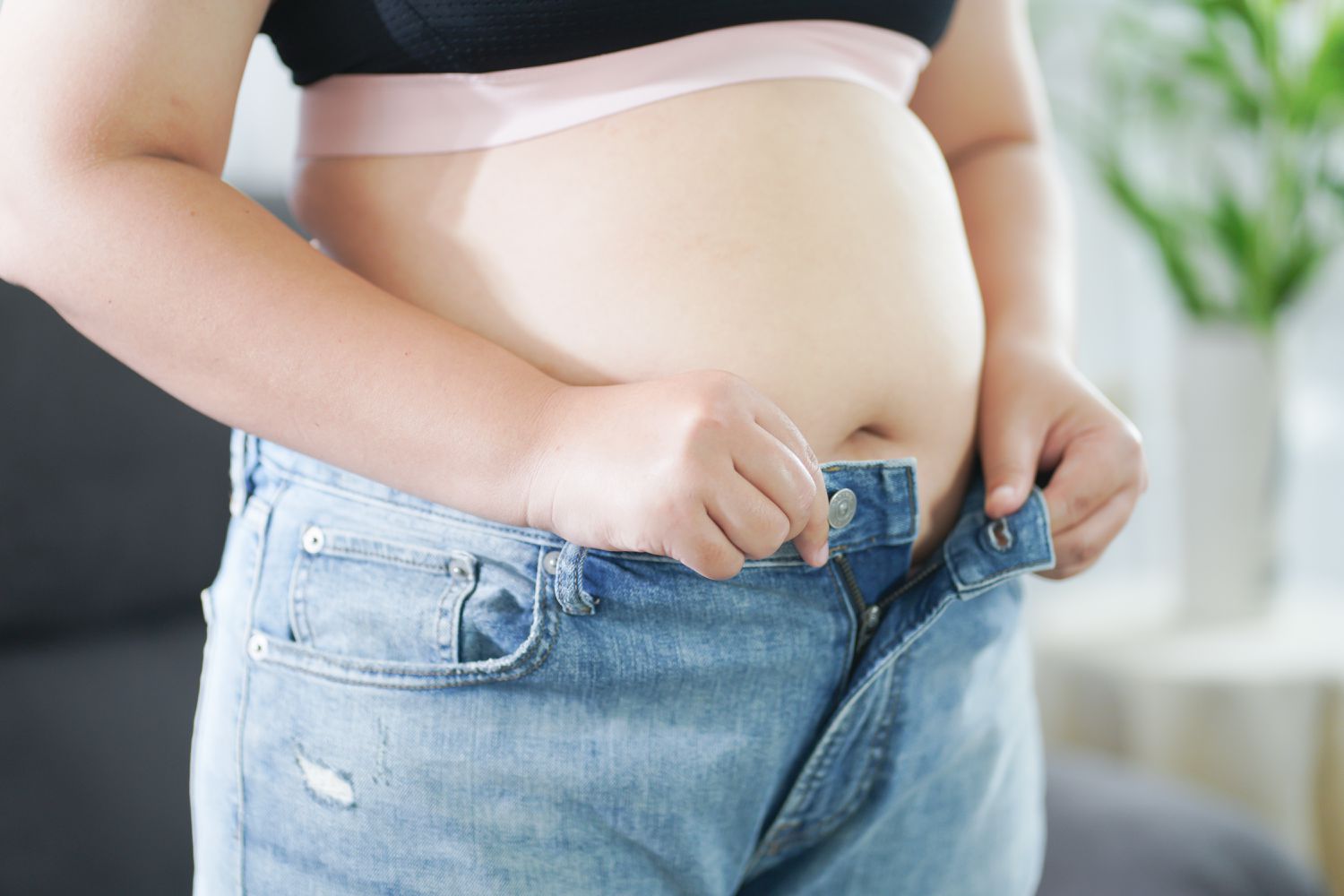
1. Abdominal distention: The abdomen may appear visibly swollen or distended, often leading to a feeling of fullness and tightness in the midsection.
2. Excessive gas: Bloating is often accompanied by increased gas production in the digestive system, leading to frequent belching or flatulence.
3. Discomfort or pain: Individuals may experience discomfort or pain in the abdominal region, which can range from mild to severe and may be described as cramping, stabbing, or dull aching.
4. Feeling of fullness: Bloated stomach typically creates a sensation of fullness in the abdomen, even if only small amounts of food have been consumed.
5. Changes in bowel habits: Bloating can coincide with alterations in bowel movements, such as constipation or diarrhoea. Constipation may result from slowed transit of stool through the intestines, while diarrhoea may occur due to increased intestinal motility.
6. Abdominal rumbling or gurgling: Some individuals may experience audible sounds emanating from the abdomen, such as rumbling or gurgling noises, associated with bloated stomach.
7. Nausea: Bloating may be accompanied by feelings of nausea or an unsettled stomach, contributing to overall discomfort.
8. Decreased appetite: Persistent bloating can lead to a reduced appetite or aversion to eating, as individuals may feel too full or uncomfortable to consume food.
9. Back pain: In some cases, bloating can cause referred pain to the back, particularly in the lower back region.
It's important to note that symptoms of bloating can vary widely among individuals and may be influenced by factors such as diet, lifestyle, underlying health conditions, and hormonal fluctuations.
Remedies and solutions for bloating
How to get rid of bloating? It involves a combination of dietary and lifestyle adjustments, along with potential medical interventions depending on the underlying cause.
1. Dietary modifications: To alleviate bloating, limit gas-producing foods like beans and broccoli, gradually increase fibre intake, and be cautious with artificial sweeteners. Opt for lean proteins over fatty foods and consider lactose-free alternatives if lactose intolerance is suspected. These dietary adjustments are your answer to how to get rid of bloating and improve digestive comfort.
2. Eat and drink mindfully: Chew food thoroughly to aid digestion and avoid swallowing excess air. Eat slowly to prevent air intake, and limit carbonated beverages to reduce gas and bloating.
3. Lifestyle changes: Stay hydrated to maintain regular bowel movements and prevent dehydration, which worsens bloating. Exercise regularly to stimulate bowel motility and reduce bloating. Manage stress with techniques like deep breathing, meditation, or yoga, and avoid smoking to prevent bloated stomach.
4. Over-the-counter medications: Antacids with simethicone break up gas bubbles, offering bloating relief. Digestive enzyme supplements, like alpha-galactosidase, aid in digesting gas-producing foods, reducing bloating.
5. Probiotics: Probiotic supplements or foods containing beneficial bacteria can help restore balance to the gut microbiota, potentially reducing bloating and improving digestive health.
6. Medical evaluation: If a bloated stomach persists despite changes, seek medical advice to rule out conditions like IBS, celiac disease, or SIBO. Treatments may vary based on diagnosis.
By implementing these remedies and solutions, individuals can effectively find solutions to: how to get rid of bloating and improve their overall digestive comfort and well-being. However, it's essential to consult with a healthcare professional for personalised advice, especially if bloating is severe, persistent, or accompanied by other concerning symptoms.
Conclusion
Bloating, characterised by abdominal discomfort and distention, arises from various factors including dietary choices, digestive disorders, and lifestyle habits. Understanding its causes, recognising symptoms, and implementing dietary modifications, lifestyle changes, and targeted remedies can alleviate bloated stomach and promote digestive wellness for improved overall health and comfort.

Frequently Asked Questions
How to get rid of bloating?
To alleviate bloating, focus on dietary adjustments such as avoiding gas-producing foods and eating slowly, while also incorporating regular exercise and staying hydrated to promote digestive health and reduce discomfort. Additionally, over-the-counter remedies like antacids or probiotics may offer relief for some individuals.
What causes bloating?
Bloated stomach can be caused by various factors including gas buildup from certain foods, swallowing air, digestive disorders like IBS, and hormonal changes, leading to abdominal discomfort and distention. Identifying triggers and making dietary and lifestyle adjustments can help manage bloating effectively.
How to prevent bloating?
To prevent bloating, focus on eating slowly, avoiding gas-producing foods, staying hydrated, and incorporating regular physical activity to promote healthy digestion and reduce discomfort. Additionally, practising stress management techniques and avoiding smoking can help prevent bloating.
What to eat when bloated?
When bloated, opt for easily digestible foods like bananas, yogourt, ginger, and peppermint tea to soothe the digestive system and alleviate discomfort. Additionally, incorporate foods rich in potassium, such as leafy greens and avocados, to help balance electrolytes and reduce bloated stomach.
What are the typical symptoms of bloating?
Typical symptoms of bloating include abdominal distension, excessive gas, discomfort or pain in the abdomen, and changes in bowel habits such as constipation or diarrhoea, often accompanied by feelings of fullness or tightness in the stomach area.