








How to control food cravings effectively: A comprehensive guide
Do you also have this incessant question: how to control food cravings? Food cravings can feel like a relentless enemy, whispering promises of sugary treats or salty snacks that sabotage your best intentions. But what if you could transform them from foe to friend? This comprehensive guide equips you with the knowledge and strategies to manage cravings effectively, leaving you feeling empowered and in control.
We'll delve into the science behind cravings, uncovering the hidden triggers that ignite them – from hormonal fluctuations to emotional stress. Thus, you will be able to identify the underlying food cravings meaning. By understanding these triggers, you'll gain the power to anticipate, outsmart them and eventually know how to stop food cravings.
Together, we'll craft a personalised plan that addresses both your mind and body. You'll learn mindfulness techniques to tame food cravings in the moment, and discover healthy alternatives that satisfy your taste buds without derailing your goals. Whether it's a sweet tooth calling or a chip craving, we'll identify delicious substitutes to keep you on track.
Understanding food cravings
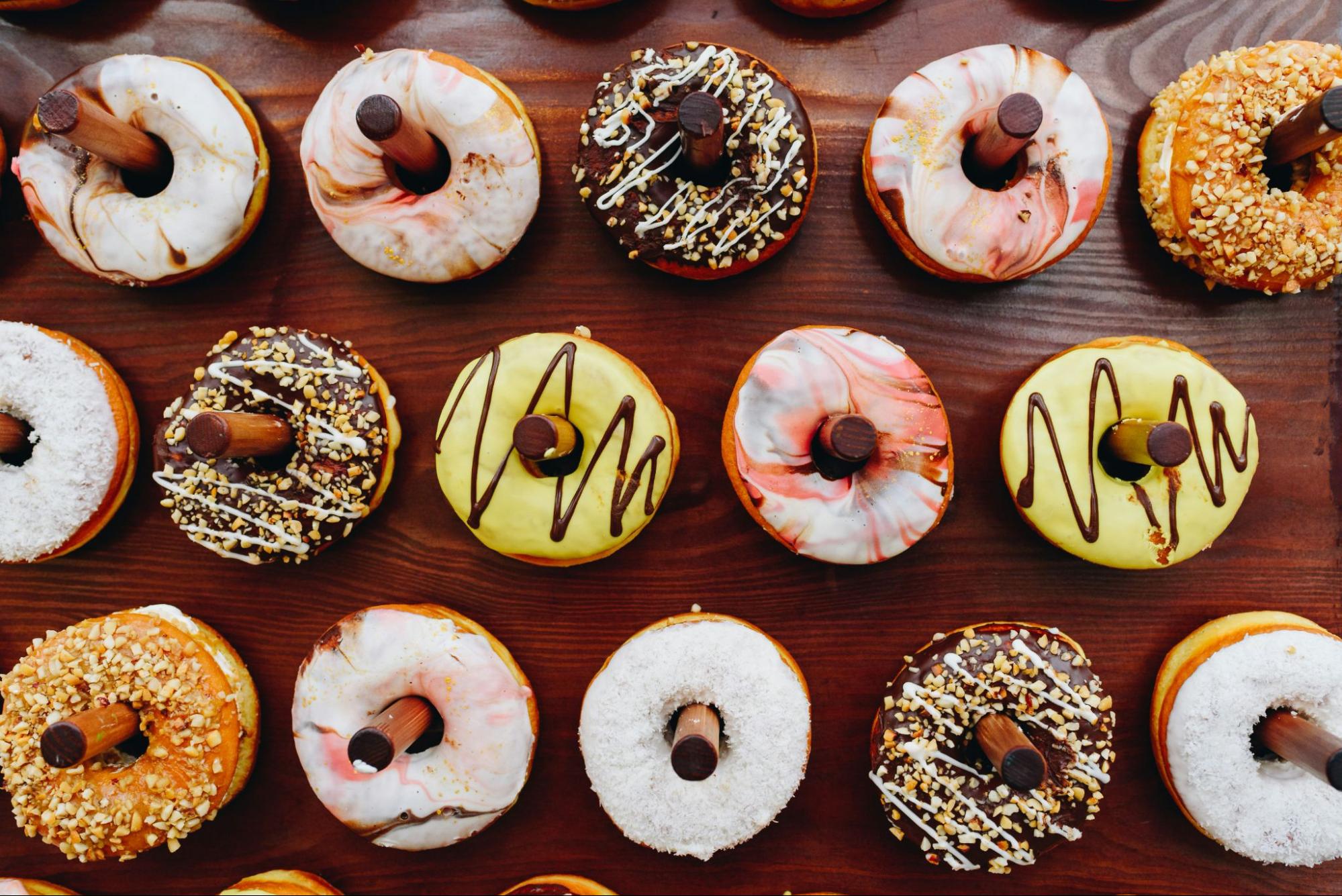
Food cravings, those intense desires for specific foods, can feel like a primal urge. But science reveals a fascinating interplay between brain chemistry, hormones, and even past experiences that fuel these cravings. One key player is the reward system. When we consume something pleasurable, like sugary or fatty foods, dopamine, a "feel-good" neurotransmitter, surges. This creates a positive association, making us crave those foods again to recapture that pleasurable feeling. Additionally, hormones like leptin (promotes satiety) and ghrelin (stimulates hunger) can influence food cravings.
When leptin levels are low, we might crave high-calorie foods to compensate for a perceived energy deficit. This explains the midnight cravings long past dinner time. Stress hormones like cortisol can also play a role. When stressed, cortisol levels rise, potentially triggering cravings for comfort foods high in sugar or fat. Even past experiences can be a factor.
If you consistently paired a specific food with a happy memory, encountering a similar emotional state might trigger a craving for that food. Understanding these scientific underpinnings is the first step towards understanding how to manage food cravings effectively.

Strategies to control food cravings
Now that we have understood the food cravings meaning and what causes them, let’s take a deep dive into learning how to control food cravings.
Here are some strategies to control food cravings:
Address the root cause:
- Hydration: Often, thirst masquerades as hunger. Before reaching for a snack, chug a glass of water and wait 10 minutes. You might find the craving subsides.
- Nutrient deficiencies: Cravings can signal a lack of essential nutrients. Consider consulting a doctor or registered dietitian to see if dietary adjustments are needed.
- Stress management: Chronic stress can trigger cravings for sugary or fatty comfort foods. Practice relaxation techniques like deep breathing, yoga, or meditation.
Outsmart the cravings:
- Don't keep trigger foods around: If you know chips or cookies derail your healthy choices, avoid having them readily available at home. This can help you gradually get rid of your midnight cravings.
- Plan healthy alternatives: Stock your pantry with healthy snacks like fruits, nuts, or veggies with hummus. When a craving hits, you have a satisfying option.
- Mindful eating: When you do indulge, practise mindful eating. Savour each bite, chew slowly, and pay attention to your body's fullness cues.
- Distraction: Food cravings are often fleeting. If a craving arises, distract yourself with a short walk, call a friend, or tackle a quick chore.
Long-term strategies:
This long-term strategies can help you implement the action plan of how to stop cravings.
- Eat regularly: Skipping meals can lead to blood sugar dips, triggering cravings later. Aim for balanced meals and healthy snacks throughout the day.
Remember, consistency is key. By incorporating these strategies into your routine, you can gain control over cravings and build a healthier relationship with food.

Healthy habits to manage food cravings
Here are some healthy habits to practise the logical answers to how to stop food cravings:
Fuel your body wisely:
- Eat regularly: Don't skip meals! Aim for 3 balanced meals and healthy snacks throughout the day to maintain stable blood sugar levels and prevent dips that trigger cravings.
- Prioritise protein: Include lean protein sources like chicken, fish, beans, or lentils in your meals. Protein keeps you feeling fuller for longer, reducing cravings.
- Fibre is your friend: Fibre-rich foods like fruits, vegetables, and whole grains promote satiety and slow down digestion, keeping food cravings at bay.
Hydration is key:
- Drink plenty of water: Dehydration can often be mistaken for hunger. Aim for eight glasses of water daily or more depending on your activity level. Carry a reusable water bottle and sip throughout the day.
- Flavourful alternatives: If plain water gets boring, try sparkling water with a squeeze of citrus or unsweetened herbal teas for a refreshing, low-calorie beverage.
Mindfulness matters:
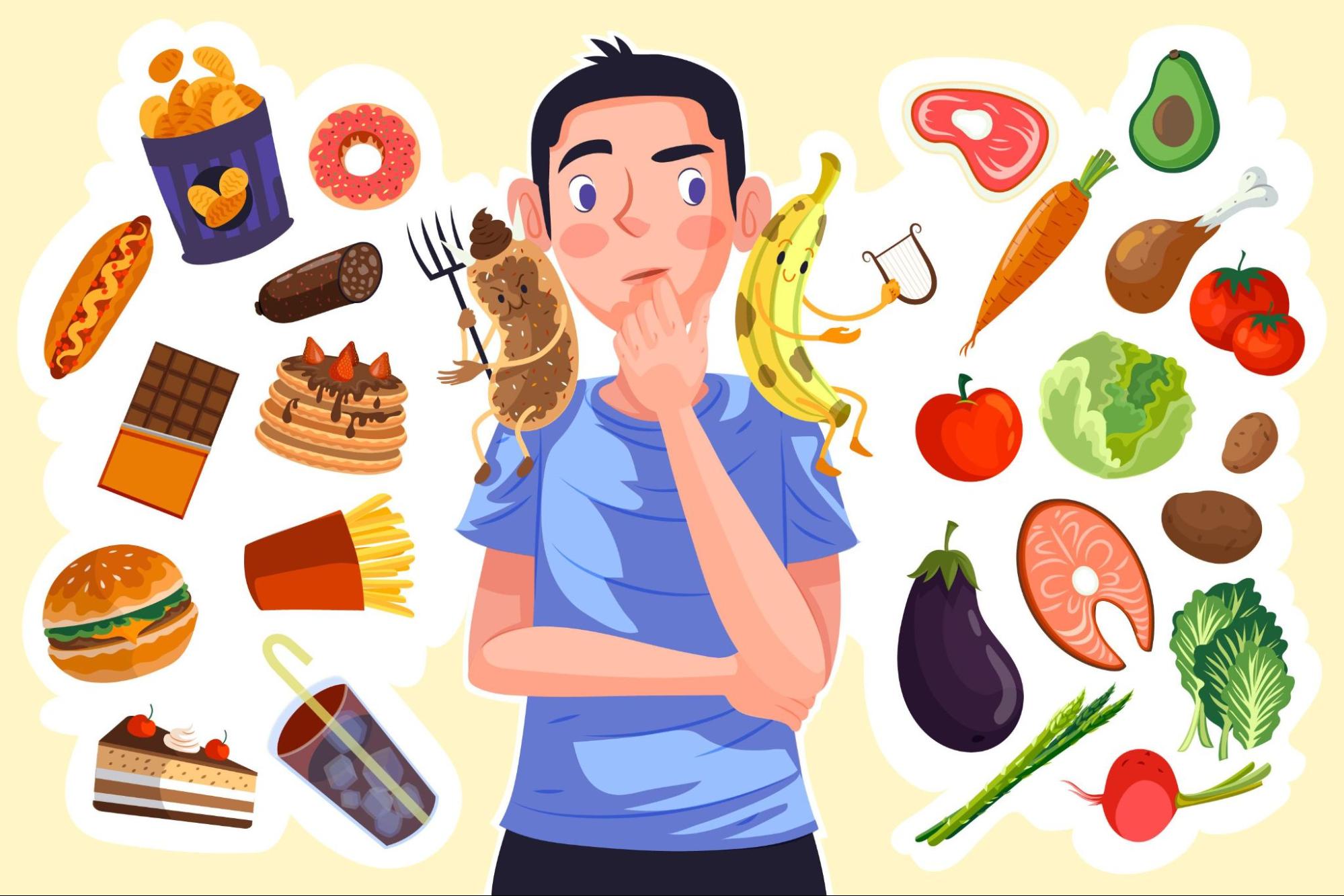
- Practise mindful eating: Slow down and savour your food. Pay attention to your body's hunger and fullness cues. Stop eating when comfortably full, not stuffed.
- Distraction is your ally: When a craving hits, distract yourself! Take a walk, listen to music, call a friend, or tackle a short chore. Often, cravings pass with a little time and distraction.
Plan and prepare:
- Healthy snack stash: Keep healthy snacks like fruits, nuts, or veggies with hummus readily available at home and work. This way, you have a satisfying option when cravings strike.
- Avoid temptation: Don't keep trigger foods around if they derail your healthy choices. This might mean having open communication with family members about keeping certain snacks out of sight. This is a great way to stop midnight cravings over a period of time.
- Meal planning is power: Plan your meals and snacks for the week to avoid unhealthy choices made on the fly. Prep some snacks and lunches in advance to save time and avoid unhealthy vending machine options.
Lifestyle tweaks:
These lifestyle tweaks can play a huge role in facilitating your journey to find out how to stop food cravings.
- Prioritise sleep: Aim for 7-8 hours of quality sleep each night. When sleep-deprived, your body produces more ghrelin (hunger hormone) and less leptin (satiety hormone), increasing food cravings.
- Manage stress: Chronic stress can trigger cravings for sugary or fatty comfort foods. Practice relaxation techniques like deep breathing, yoga, or meditation to manage stress levels.
- Exercise regularly: Aim for regular physical activity to help regulate blood sugar and reduce stress hormones, both of which can contribute to food cravings.
By incorporating these healthy habits into your routine, you can develop a sustainable approach to managing food cravings and build a healthier relationship with food. Remember, consistency is key!

Conclusion
Food cravings can feel like roadblocks on your path to healthy eating. But with a shift in perspective and some practical strategies, you can transform them into manageable blips.
The first step is understanding the science behind cravings which can help you understand the food cravings meaning and reasons. They're often fueled by hormone fluctuations, stress responses, or even past memories. By recognising these triggers, you can anticipate and outsmart them.
How to control food cravings? Develop healthy habits to keep your body satisfied and cravings at bay. Prioritise regular meals with protein and fibre, stay hydrated, and prioritise sleep. Planning and preparation are key – stock your pantry with healthy snacks and avoid keeping trigger foods around.
Finally, address the root cause. If cravings persist, consult a healthcare professional to rule out any underlying nutrient deficiencies. Remember, managing cravings is a journey, not a destination. Be patient, experiment with these strategies, and celebrate your progress towards a healthier, more empowered relationship with food.
Frequently Asked Questions
Why do we get cravings?
Food cravings arise from a mix of brain chemistry, hormones, and past experiences that trigger desires for specific foods.
How to control food cravings naturally?
Fight cravings naturally by staying hydrated, eating regularly with protein and fibre, and distracting yourself when the urge hits!
Are food cravings a sign of nutrient deficiencies?
Food cravings can be a sign of nutrient deficiencies, but more often they're linked to factors like blood sugar dips or emotional cues.
What role does stress play in triggering food cravings?
Stress hormones like cortisol can rise during stressful times, triggering cravings for sugary or fatty comfort foods.
What diet and lifestyle changes can help manage food cravings?
Regular meals with protein & fibre, staying hydrated, and prioritising sleep all help regulate hormones and blood sugar, reducing food cravings.