








Glycaemic index: Understanding its impact on blood sugar levels
Welcome to our exploration of understanding glycaemic index and its impact on blood sugar levels. The glycaemic index (GI) measures how quickly carbohydrates in food raise blood sugar levels.
Whether you're seeking to enhance your understanding of nutrition or aiming to optimise your diet for better blood sugar control, this guide aims to provide you with comprehensive insights into mastering the glycaemic index. Let's unveil the secrets of maintaining stable blood sugar levels and promoting overall well-being.
Decoding the glycaemic index: What it is and how it works
The glycaemic index (GI) is a scale that ranks carbohydrates in food based on how quickly they raise blood sugar levels. Foods with a high GI are rapidly digested and cause a quick spike in blood sugar levels, while those with a low GI are digested more slowly, leading to a gradual increase in blood sugar levels. The glycaemic index of a food is influenced by factors such as the type of carbohydrate, the amount of fibre and fat present, and the food's processing method.

Understanding the GI is essential for managing blood sugar levels and overall health. By choosing foods with a lower GI, individuals can help stabilise blood sugar levels and reduce the risk of chronic diseases such as type 2 diabetes and heart disease. Additionally, incorporating foods from the low GI foods list into the diet can promote satiety and help control appetite, aiding in weight management efforts.
The low GI diet: Building a nutrient-rich diet for better blood sugar control
Eating a low glycaemic index (GI) diet involves consuming foods that have a minimal impact on blood sugar levels, promoting stable energy and overall health.
1. Nutrient-rich foods:
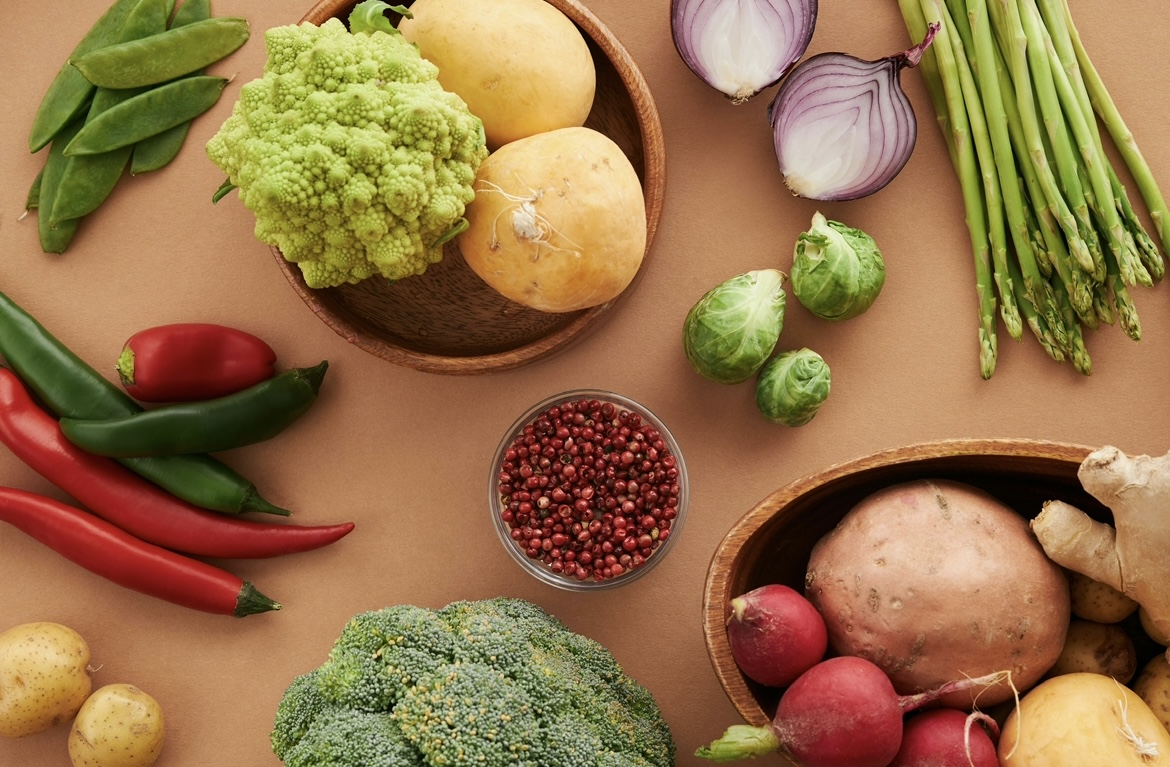
Prioritise whole, unprocessed foods rich in nutrients such as fruits, vegetables, whole grains, lean proteins, and healthy fats.
2. Portion control and meal timing:
Focus on regular, balanced meals and snacks throughout the day to maintain stable blood sugar levels and prevent overeating.
3. Hydration:
Stay hydrated by drinking plenty of water throughout the day to support overall health and prevent cravings and overeating.
4. Fibre-rich choices:
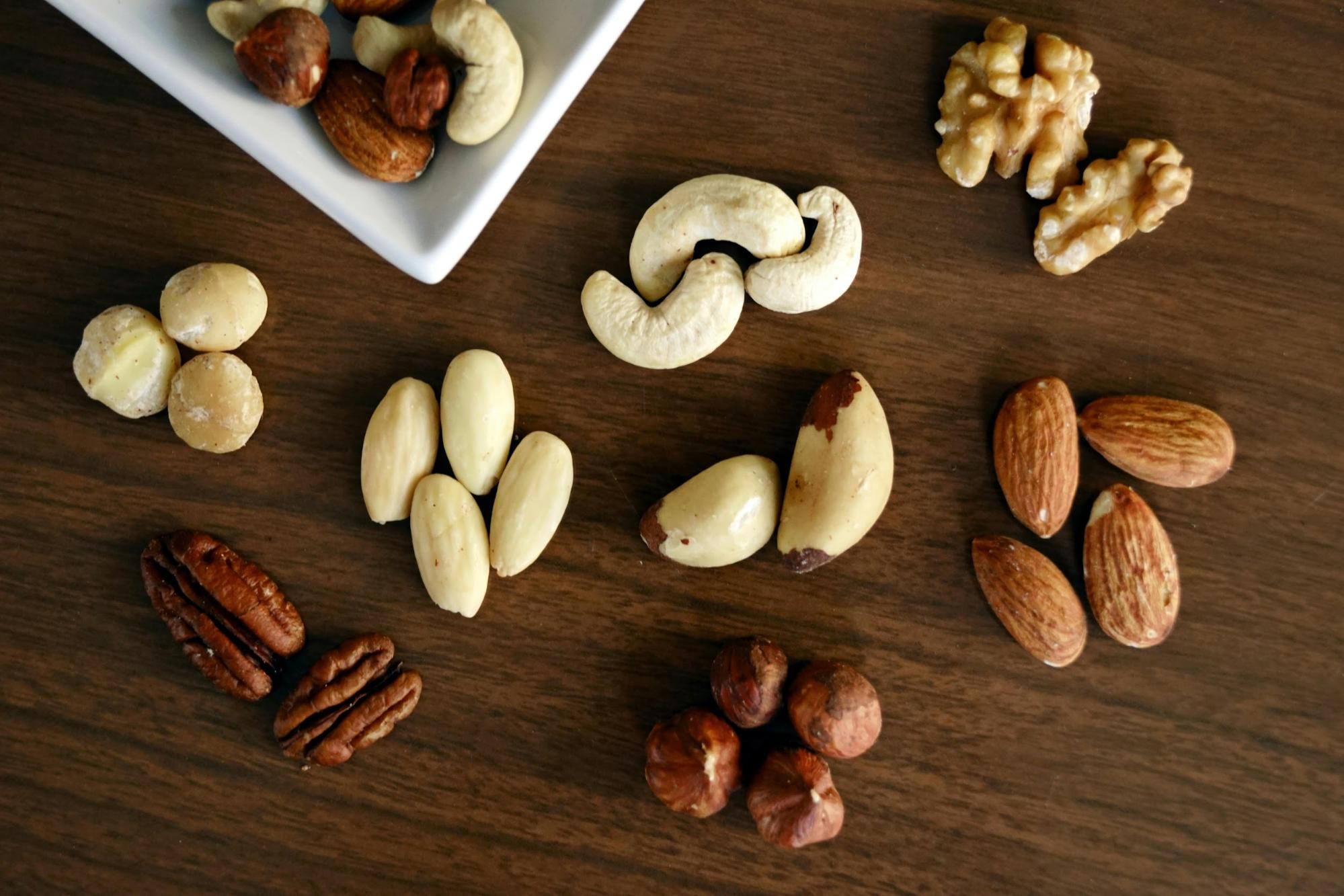
Include high-fibre foods such as legumes, nuts, seeds, and whole grains to promote digestive health and prolong feelings of fullness.

5. Mindful eating:
Practise mindful eating techniques, such as slowing down while eating and paying attention to hunger and fullness cues, to prevent overeating and promote satisfaction.
6. Limit processed foods:
Minimise intake of processed foods high in refined carbohydrates and sugars, as they can cause rapid spikes in blood sugar levels.
Conclusion
Incorporating the principles of the low glycaemic index (GI) diet into your lifestyle can have significant benefits for your overall health and well-being. By following these strategies, you can effectively manage your blood sugar levels and promote stable energy throughout the day.
Remember, making small, sustainable changes to your diet can lead to long-term health improvements. Whether you're aiming to prevent chronic diseases like type 2 diabetes or simply seeking to maintain optimal health, the low GI diet offers a practical and scientifically-backed approach to achieving your goals.
By understanding the impact of different foods on your blood sugar levels and making informed choices, you can take control of your health and enjoy a balanced and fulfilling diet. Here's to embracing the principles of the low GI diet and achieving lasting health and vitality.
Frequently Asked Questions
What is the glycaemic index, and how does it affect blood sugar levels?
The glycaemic index (GI) is a scale that measures the speed at which carbohydrates raise blood sugar levels. Foods with a high GI are digested quickly, causing a rapid spike in blood sugar levels, while those with a low GI are digested more slowly, leading to a gradual increase in blood sugar levels.
Can you provide a glycaemic index food chart for reference?
Yes, a glycaemic index food chart categorises foods based on their GI values. It typically ranks foods from low to high GI, helping individuals make informed choices about their food intake. You can find GI food charts online or in nutrition resources.
What are some examples of low GI foods that I can incorporate into my diet?
Some examples of low GI foods include non-starchy vegetables (e.g., broccoli, spinach), legumes (e.g., lentils, chickpeas), whole grains (e.g., oats, barley), fruits (e.g., apples, berries), and lean proteins (e.g., chicken, fish). These foods are digested slowly, resulting in a gradual increase in blood sugar levels and providing sustained energy.
How does the GI diet help in managing blood sugar levels and promoting overall health?
The GI diet helps manage blood sugar levels by focusing on low GI foods, which digest slowly and maintain stable blood sugar levels. It also promotes overall health by providing nutrients and reducing the risk of chronic diseases like type 2 diabetes and heart disease.
Is there a correlation between the glycaemic index and blood glucose levels, and if so, how does it impact health outcomes?
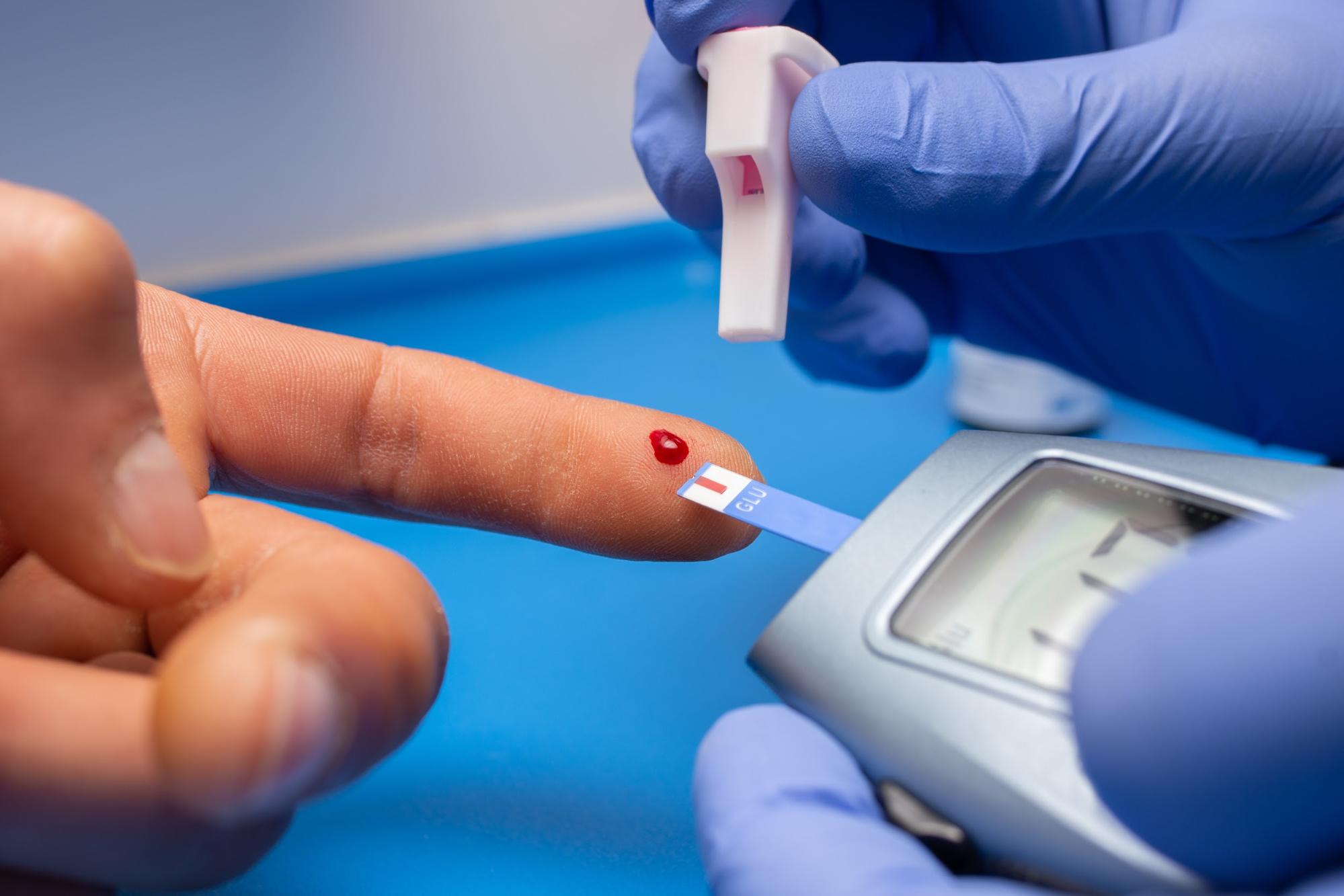
Yes, high GI foods cause rapid spikes in blood glucose levels, increasing the risk of insulin resistance and chronic diseases. Low GI foods stabilise blood glucose levels, promoting better blood sugar control and overall health.
Download the Gabit app
for the complete experience