








Building better habits to prevent diabetes
Diabetes, a chronic metabolic disorder, encompasses a group of diseases characterised by high average blood sugar level over a prolonged period. The two primary types, type 1 and type 2 diabetes, differ in aetiology and diabetes management. Type 1 diabetes results from the autoimmune destruction of insulin-producing cells in the pancreas, necessitating lifelong insulin therapy.
Conversely, type 2 diabetes typically develops due to insulin resistance or insufficient insulin production and is closely linked to lifestyle factors such as obesity, sedentary behaviour, and poor dietary habits. Additionally, gestational diabetes can occur during pregnancy, increasing the risk of complications for both mother and child.
Understanding these distinctions and the multifaceted factors contributing to diabetes risk is crucial for effective prevention and diabetes management strategies.
Importance of developing good habits

Role of lifestyle in diabetes prevention
- Lifestyle choices such as regular exercise and balanced nutrition play a pivotal role in preventing type 2 diabetes.
- Maintaining a healthy weight through lifestyle modifications reduces the risk of insulin resistance, a precursor to diabetes.
- Avoiding tobacco use and limiting alcohol consumption contribute to diabetes management and prevention by mitigating associated health risks.
- Healthy lifestyle habits help regulate average blood sugar level and improve insulin sensitivity, reducing the likelihood of developing diabetes and aid diabetes care.
- Lifestyle interventions are often recommended as the first-line approach for individuals at risk of diabetes or prediabetes.
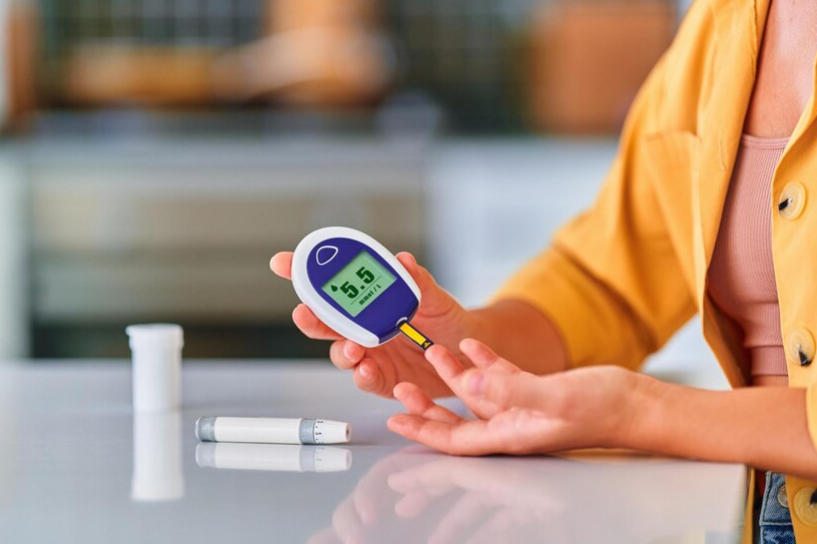
Benefits of healthy habits and building long-term health
- Healthy habits promote longevity and overall quality of life by reducing the risk of chronic diseases.
- Regular physical activity strengthens the cardiovascular system, lowers blood pressure, and improves cholesterol levels. This optimal health is crucial for diabetes management.
- Balanced nutrition provides essential nutrients for optimal bodily functions and supports immune health.
- Good habits contribute to better sleep quality, mental clarity, and emotional well-being.
- Building long-term health through healthy habits fosters resilience against age-related decline and enhances vitality in later years.
Nutrition and physical activities

Balanced eating for diabetes prevention
- Consuming a balanced diet rich in fruits, vegetables, lean proteins, and healthy fats helps regulate average blood sugar level and reduces the risk of diabetes.
- Monitoring portion sizes and carbohydrate intake is crucial for managing blood glucose levels and preventing insulin spikes.
- Incorporating a variety of nutrient-dense foods ensures adequate intake of essential vitamins and minerals necessary for overall health and diabetes management.
- Limiting processed foods, sugary snacks, and beverages high in added sugars helps maintain stable blood sugar levels and supports weight and diabetes management.
- Regular meal timing and spacing can help prevent fluctuations in blood glucose levels and promote better insulin sensitivity.

Importance of fibre and whole grains
- Fibre-rich foods such as fruits, vegetables, legumes, and whole grains slow down the absorption of glucose, preventing rapid spikes in average blood sugar level.
- Whole grains like oats, brown rice, and quinoa provide complex carbohydrates, which are digested more slowly, leading to sustained energy levels and improved glycemic control.
- Dietary fibre promotes satiety, aiding in weight management and reducing the risk of obesity, a significant risk factor for type 2 diabetes.
- Regular consumption of fibre-rich foods supports digestive health, lowers cholesterol levels, and reduces the risk of cardiovascular disease, common comorbidities of diabetes.
- Including a variety of fibre sources in the diet fosters a diverse gut microbiota, which may contribute to better metabolic health and reduced inflammation.
Exercise and blood sugar regulation
- Regular physical activity improves insulin sensitivity, allowing cells to better absorb glucose from the bloodstream and regulate average blood sugar level effectively.
- Both aerobic exercises such as walking, cycling, and swimming, and resistance training activities like weight lifting and bodyweight exercises can help control blood glucose levels.
- Exercise promotes weight management by burning calories, increasing lean muscle mass, and boosting metabolism, reducing the risk of obesity-related insulin resistance.
- Physical activity enhances cardiovascular health, lowers blood pressure, and improves lipid profiles, reducing the risk of cardiovascular complications associated with diabetes management.
- Consistent exercise routines contribute to overall well-being, reducing stress levels, improving mood, and enhancing sleep quality, all of which support optimal blood sugar regulation.

Weight management
- Excess weight, particularly abdominal obesity, is strongly associated with an increased risk of developing type 2 diabetes.
- Adipose tissue, especially visceral fat surrounding organs, secretes inflammatory molecules and hormones that disrupt insulin function and contribute to insulin resistance.
- Obesity-related insulin resistance impairs glucose uptake by cells, leading to elevated blood sugar levels and eventual onset of diabetes.
- Individuals with obesity are more likely to develop other risk factors for diabetes, such as high blood pressure, dyslipidemia, and metabolic syndrome.
- Weight loss interventions can significantly reduce diabetes risk by improving insulin sensitivity, promoting weight loss, and lowering inflammation markers.

Strategies for achieving and maintaining a healthy weight
- Adopting a balanced diet rich in whole foods, including fruits, vegetables, lean proteins, and whole grains, while limiting processed foods and sugary beverages.
- Monitoring portion sizes and practising mindful eating to prevent overconsumption and promote satiety.
- Engaging in regular physical activity, including aerobic exercises, strength training, and flexibility exercises, to burn calories, build lean muscle mass, and boost metabolism.
- Setting realistic weight loss goals and tracking progress using methods such as food journals, activity logs, or mobile apps.
- Seeking support from healthcare professionals, dietitians, or support groups for guidance, accountability, and encouragement throughout the weight loss journey.
- Implementing sustainable lifestyle changes, such as establishing regular meal times, prioritising adequate sleep, managing stress effectively, and practising self-care habits to maintain long-term weight management success.

Stress management and quality sleep
- Stress triggers the release of hormones such as cortisol and adrenaline, which can raise the average blood sugar level in individuals with diabetes.
- Elevated stress levels can contribute to insulin resistance, making it more challenging for cells to absorb glucose effectively, leading to hyperglycemia.
- Chronic stress may disrupt eating patterns and promote unhealthy coping mechanisms like overeating or consuming sugary foods, further exacerbating blood sugar fluctuations.
- Stress-induced inflammation can worsen insulin resistance and increase the risk of diabetes complications such as cardiovascular disease.
- Effective stress management techniques can help mitigate the impact of stress on blood sugar regulation and overall health and diabetes management.

Techniques for stress reduction
- Practising mindfulness meditation, deep breathing exercises, or progressive muscle relaxation to promote relaxation and reduce stress levels.
- Engaging in regular physical activity, such as yoga, tai chi, or walking, to release tension, improve mood, and enhance resilience to stress.
- Prioritising self-care activities like hobbies, spending time with loved ones, or enjoying nature to foster emotional well-being and reduce stress.
- Setting boundaries, delegating tasks, and practising time management to minimise stressors and maintain a healthy work-life balance.
- Seeking support from friends, family, or mental health professionals for guidance, encouragement, and coping strategies during stressful times.

Tips for improving sleep quality
- Establishing a consistent sleep schedule by going to bed and waking up at the same time each day, even on weekends.
- Creating a relaxing bedtime routine, such as taking a warm bath, reading a book, or practising gentle stretching exercises, to signal to the body that it's time to wind down.
- Creating a sleep-conducive environment by keeping the bedroom dark, quiet, and cool, and investing in a comfortable mattress and pillows.
- Limiting screen time and exposure to blue light from electronic devices before bedtime to promote the production of melatonin, a hormone that regulates sleep-wake cycles.
- Avoiding caffeine, nicotine, and heavy meals close to bedtime, as they can interfere with sleep quality and disrupt sleep patterns.
- Seeking professional help if experiencing persistent sleep disturbances or symptoms of sleep disorders like insomnia or sleep apnoea, as untreated sleep problems can exacerbate stress and affect blood sugar control.
Conclusion
Maintaining a balanced lifestyle encompassing healthy eating habits, regular physical activity, stress reduction techniques, and quality sleep is paramount for diabetes management and prevention. By prioritising these factors, individuals can mitigate diabetes risk, improve overall health, and enhance their well-being for the long term.

Frequently Asked Questions
What are the early warning signs of diabetes?
Early warning signs of diabetes include frequent urination, excessive thirst, unexplained weight loss, increased hunger, fatigue, blurred vision, slow-healing wounds, and recurring infections.
Can diabetes be prevented entirely, or is it inevitable for some individuals?
While diabetes cannot always be entirely prevented, adopting a healthy lifestyle significantly reduces the risk. Genetic predisposition plays a role, but proactive measures like maintaining a balanced diet, regular exercise, weight management, and avoiding smoking can delay or prevent its onset.
How can I know if I'm at risk for diabetes if I don't have any symptoms?
Assessing diabetes risk involves considering various factors like family history, age, ethnicity, weight, physical activity level, and medical history. Healthcare professionals can conduct tests such as fasting blood sugar tests, oral glucose tolerance tests, or glycated haemoglobin (HbA1c) tests to determine risk levels.
Does exercise really help prevent diabetes, and if so, how much is enough?
Yes, exercise is crucial in diabetes prevention. Aerobic exercises, strength training, or a combination of both can improve insulin sensitivity, aid weight management, and regulate blood sugar levels. Aim for at least 150 minutes of moderate-intensity aerobic activity per week, along with muscle-strengthening exercises on two or more days.
Are there specific foods or dietary patterns that are particularly beneficial for diabetes prevention?
A diet rich in fruits, vegetables, whole grains, lean proteins, and healthy fats is beneficial for diabetes prevention. Emphasise fibre-rich foods, limit processed foods, sugary snacks, and beverages, and maintain portion control. Incorporating foods with low glycaemic index and avoiding trans fats can also help manage blood sugar levels.