








Understanding insulin resistance
Insulin resistance presents a notable health issue for many individuals, marked by the body's diminished responsiveness to insulin. This condition heightens the risk of developing type 2 diabetes and cardiovascular complications.
Throug this blogpost, we'll try to understand the complexities of insulin resistance, covering its underlying causes, dietary impacts, and effective management strategies. Join us as we navigate through these intricacies, providing individuals with the knowledge to manage their metabolic health effectively.
Exploring the causes and consequences of insulin resistance
Let’s delve into the intricate web of factors contributing to insulin resistance and its profound ramifications on health. We'll dissect the causes, ranging from genetic predisposition to lifestyle choices, and explore its impact on overall well-being.
Causes:
- Genetic predisposition: Some individuals inherit a susceptibility to insulin resistance.
- Sedentary lifestyles: Lack of physical activity impairs glucose utilisation.
- Poor dietary habits: Diets high in processed sugars and fats exacerbate insulin resistance.
- Environmental factors: Factors such as stress and sleep deprivation can contribute to insulin resistance.

- Ageing: Insulin sensitivity tends to decrease with age, increasing the likelihood of insulin resistance.
- Hormonal imbalances: Conditions like polycystic ovary syndrome (PCOS) and hormonal disorders can disrupt insulin function.
Consequences:
- Increased risk of type 2 diabetes development
- Elevated susceptibility to cardiovascular disease
- Development of metabolic syndrome
- Impaired overall health and well-being
- Risk of gestational diabetes during pregnancy
- Complications related to infertility and reproductive health
- Heightened inflammation and oxidative stress levels
- Greater likelihood of non-alcoholic fatty liver disease (NAFLD)
Foods to include and avoid for better blood sugar control
Maintaining stable blood sugar levels is crucial for managing insulin resistance. In this section, we'll explore dietary strategies to support optimal glucose metabolism and insulin sensitivity. Join us as we uncover the power of nutrition in managing insulin resistance effectively.
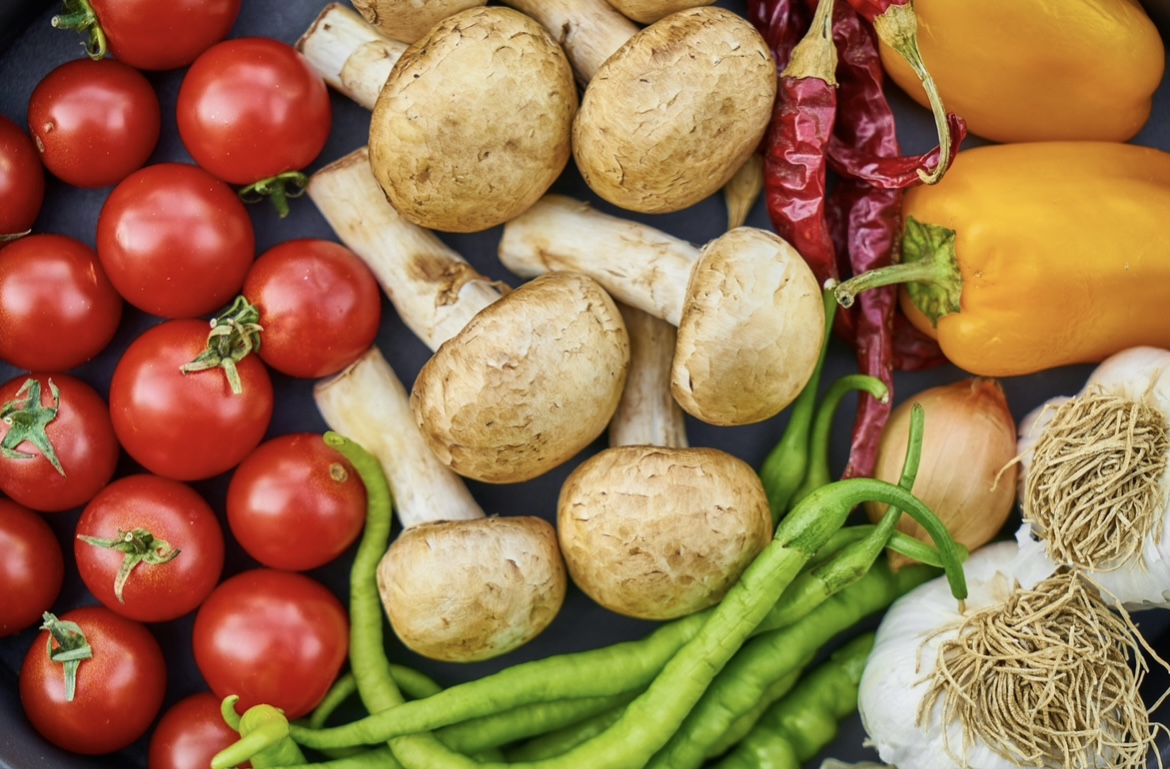
1. Incorporate complex carbohydrates:
Whole grains, legumes, and vegetables provide sustained energy and help regulate blood sugar levels.
2. Emphasise lean proteins:
Lean protein sources such as poultry, fish, tofu, and legumes support muscle health and contribute to stable blood sugar levels.

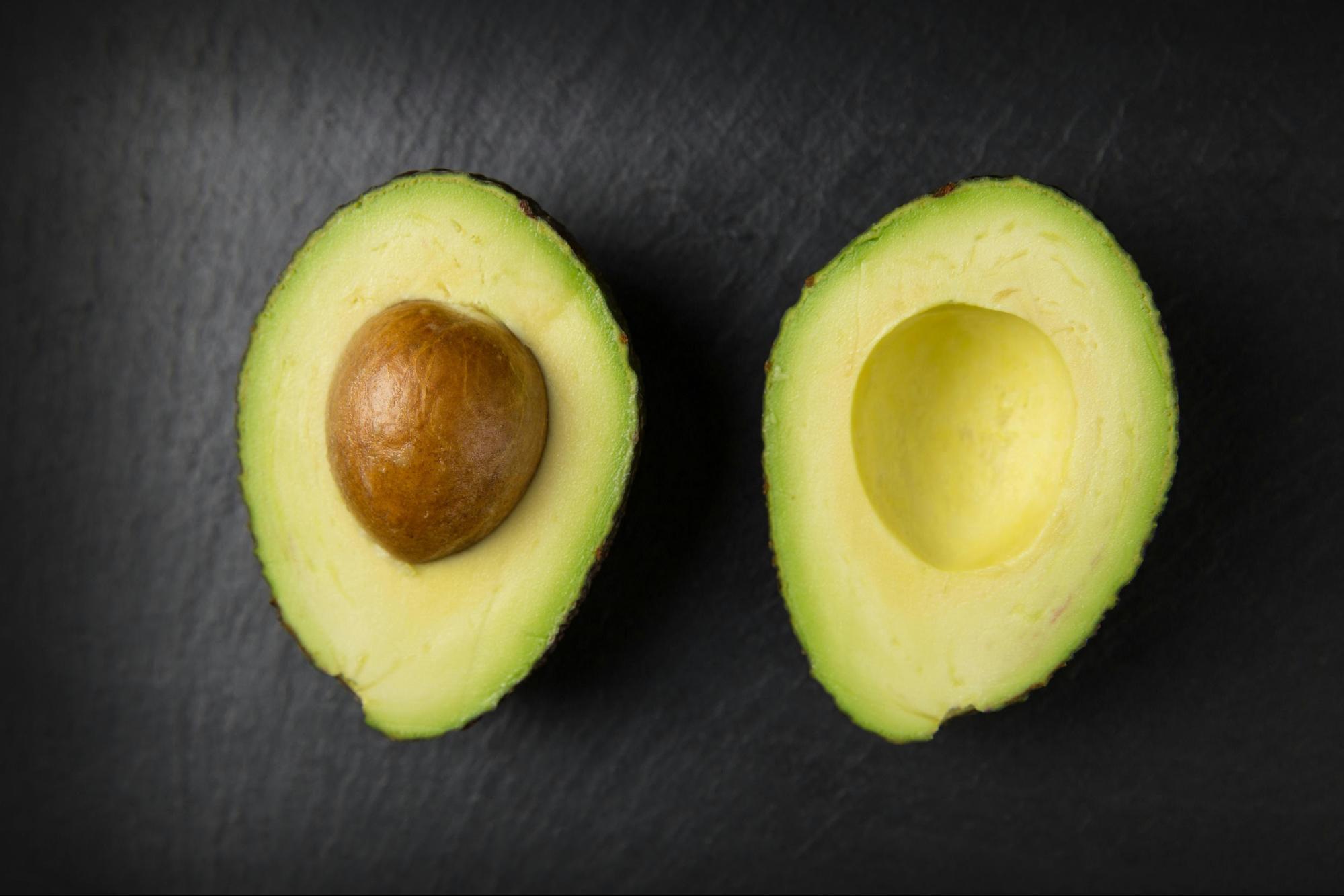
3. Include healthy fats:
Foods rich in unsaturated fats, such as avocados, nuts, seeds, and olive oil, can improve insulin sensitivity and reduce inflammation.
4. Choose low-glycaemic index foods:
Opt for foods with a low glycaemic index, such as berries, non-starchy vegetables, and whole grains, to prevent rapid spikes in blood sugar levels.
5. Limit refined carbohydrates:
Minimise consumption of refined carbohydrates like white bread, sugary cereals, and pastries, which can lead to sharp increases in blood glucose levels.
6. Avoid sugary beverages:
Sugary drinks such as soda, fruit juice, and energy drinks can cause rapid spikes in blood sugar and should be avoided in an insulin resistance diet.
7. Reduce saturated and trans fats:
Limit intake of saturated and trans fats found in processed foods, fried items, and baked goods, as they can worsen insulin resistance and contribute to cardiovascular risk.
Managing insulin resistance through diet: best practices and nutritional guidelines
Diet plays a pivotal role in managing insulin resistance effectively. In this section, we'll explore best practices and nutritional guidelines to support optimal metabolic health. Uncover the power of diet in managing insulin resistance and promoting long-term metabolic health.
1. Balanced macronutrient intake:
Aim for a balanced intake of carbohydrates, proteins, and fats to support stable blood sugar levels and sustained energy throughout the day.
2. Focus on fibre-rich foods:
Incorporate plenty of fruits, vegetables, whole grains, and legumes into your diet to increase fibre intake, promote satiety, and improve digestive health.
3. Mindful eating practices:
Practise mindful eating techniques, such as chewing slowly, savouring each bite, and listening to your body's hunger and fullness cues, to prevent overeating and support healthy weight management.
4. Meal timing and frequency:
Consider spreading your meals evenly throughout the day, with regular intervals between meals and snacks, to maintain steady blood sugar levels and prevent large fluctuations in insulin levels.
5. Hydration:
Stay well-hydrated by drinking plenty of water throughout the day, as dehydration can affect blood sugar regulation and contribute to insulin resistance.
6. Limit processed and sugary foods:
Minimise consumption of processed foods, sugary snacks, and sweetened beverages, which can spike blood sugar levels and worsen insulin resistance over time.
7. Incorporate physical activity:
Combine dietary modifications with regular physical activity to enhance insulin sensitivity, promote weight loss, and improve overall metabolic health.
Conclusion
Managing insulin resistance is a multifaceted endeavour that requires a comprehensive approach encompassing dietary modifications, lifestyle changes, and medical interventions.
By understanding the impact of insulin resistance on health and well-being, individuals can take proactive steps to improve their metabolic health and reduce their risk of developing chronic diseases such as type 2 diabetes and cardiovascular disease. So let’s take control of our metabolic health and strive towards a healthier, happier future.
Frequently Asked Questions
What exactly is insulin resistance and how does it affect the body?
Insulin resistance is a condition where the body's cells become less responsive to the effects of insulin, resulting in elevated blood sugar levels. Over time, insulin resistance can lead to various health complications, including type 2 diabetes, cardiovascular disease, and metabolic syndrome.
Can you provide an overview of the best dietary approach for managing insulin resistance?
A balanced diet rich in whole foods, including fruits, vegetables, lean proteins, and healthy fats, is recommended for managing insulin resistance. Emphasising complex carbohydrates, fibre-rich foods, and limiting processed sugars and refined carbohydrates can help stabilise blood sugar levels and improve insulin sensitivity.
What specific foods should be included in an insulin resistance diet?
Foods that promote stable blood sugar levels and improve insulin sensitivity include whole grains, legumes, non-starchy vegetables, lean proteins, healthy fats, and low-glycaemic index fruits.
Are there certain foods that should be avoided by individuals with insulin resistance?
Yes, individuals with insulin resistance should limit their intake of processed foods, sugary snacks, sweetened beverages, refined carbohydrates, and foods high in saturated and trans fats, as these can exacerbate insulin resistance and increase the risk of related health complications.
How can dietary changes help improve insulin sensitivity and overall health?
Dietary changes, such as adopting a balanced diet rich in whole foods and low in processed sugars and fats, can help improve insulin sensitivity, and regulate blood sugar levels. Additionally, maintaining a healthy weight and engaging in regular physical activity are essential for overall metabolic health.