






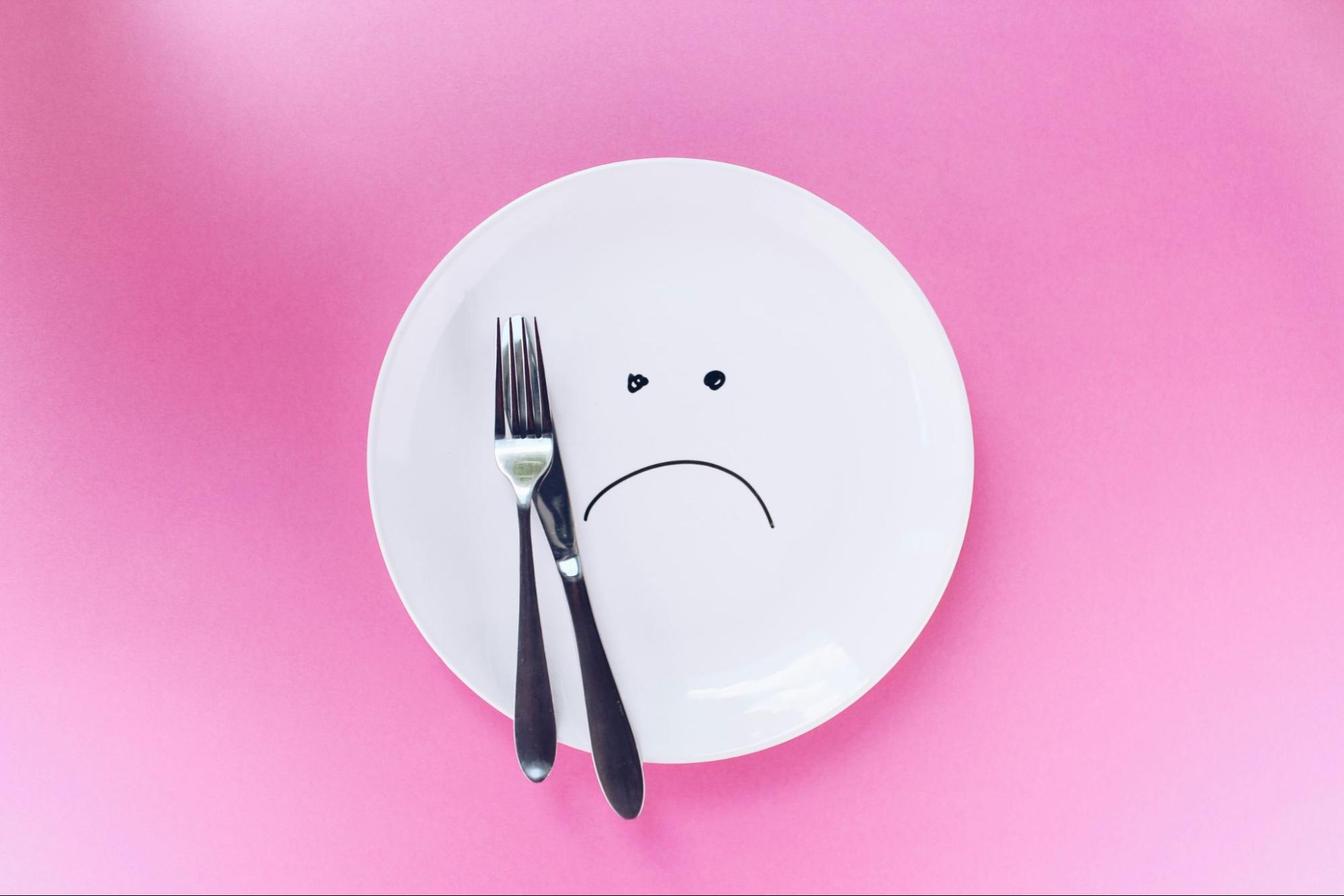

Exploring the risks: The downsides of regular fasting
Religious or intermittent, one fasts due to various reasons. Fasting has various health benefits like weight loss, lowered blood pressure, improved blood sugar control, decreased risk of heart disease, improved immune system, better brain health, increased insulin sensitivity and reduction in inflammation.
When you consider fasting for dietary reasons, there are a couple of ways that you can go about it like 5:2 diet, 16/8 method and alternate day fasting.
Assessing the side effects of fasting
While you consider the all embracing benefits of fasting, here are a few side effects of fasting that you must remember -
Causes fatigue and reduces physical activity: On the daily, we have designated timings for our meals and our bodies are well adjusted to these patterns. Restricting your body by fasting leads to low energy levels, headaches, lethargy and dizziness. Sleep disturbances and low blood sugar levels due to fasting may lead to feelings of weakness and tiredness.
Hunger: Rigorously fasting for days builds up hunger and cravings over the time. You may experience these feelings even more when you see your favourite food being made or consumed around you.
Overeating and weight gain: Eagerly waiting for your cheat day after multiple days of fasting? The desperate thought of finally being able to eat good food leads to overeating and eventually weight gain. It becomes hard to control when a platter full of delights that you’ve been refraining to eat is placed in front of you. This adds to being one of the biggest demerits of fasting.
Moody behaviour: Not getting to eat the food you love to eat leads to irritation and crankiness. Further, low blood sugar leads to anxiety, frustration and low concentration and motivation.

Eating disorder: Fasting can be associated with disordered eating patterns like bingeing or malnutrition. In nagging hunger, one ends up bingeing and then purging later while restricting yourself of food persistently, devoids your body of basic nutrition to keep it healthy.
Dehydration and digestive issues: Fasting leads to increased release of water and salt in urine. If not taken care of, it can lead to dehydration. There are also fasting practices which restrict the drinking of water. Fasting can trigger digestive issues like diarrhoea, bloating, nausea, indigestion and constipation.
Dangerous if taking medications: One of the risks of fasting is that if you have any medical conditions that need to be closely monitored, fasting could worsen them more. Make sure to speak with your doctor if you’re looking forward to fasting for any reasons. There are certain medications that need to specifically be taken with food. In such cases, fasting could interfere with how the medications react to the body and the health problems.
Not effective on a long-term basis: Intermittent fasting is bad also because it isn’t sustainable on a long-term basis due to reasons like nutritional concerns, social events, feelings like frustration, wanting to reward yourself or excessive cravings or hunger.
Debunking myths: Is fasting bad for your health?
Other than knowing the side effects of fasting, one must also focus on the myths they shouldn’t believe in. Listed below are some common myths related to regular fasting -
Fasting is safe for everyone: On the face of it, fasting doesn’t seem largely unsafe as a practice, however, there is a section of people who should avoid it. These people include underweight people, pregnant or breastfeeding women, people in a weakened state or people going through an eating disorder. Individuals with medical conditions like diabetes or kidney stones must consult their doctors before going on a fasting venture.

You can eat anything during your eating window: You might feel like rewarding yourself with everything that you’ve been craving for but that might add to be a demerit of fasting. The eating window is to prioritise a balanced diet with whole and nutritious foods, you could add less healthier foods but in a moderate amount.
Fasting is the ultimate solution to weight loss: Although fasting assists weight loss, one cannot deem it to be the only practice to rely on. If you end up eating calorie heavy foods during your eating window, you might not lose weight at all or end up gaining weight.
Skipping breakfast is unhealthy: It has been increasingly told to us that individuals who eat breakfast diligently have greater concentration, less chances of obesity, hunger pangs and health problems. Contrary to this belief are studies that have proved that there isn’t a direct link between weight loss and meal timings. Consumption of breakfast, thus, varies according to individual needs and preferences.
Fasting slows down metabolism: If fasting is done for short periods of time, as is in the case of the 16:8 method, it boosts your metabolism. Fasting ends up giving your chemical and hormonal processes enough time to boost and support your metabolism. It also increases the metabolic adaptability and flexibility of the body by adapting to the fuel source at ease.
Fasting puts the body in starvation mode: Starvation mode is the body essentially slowing down its metabolism and making any weight loss efforts go in vain. However, our bodies don’t enter starvation mode during short-term fasting practices and it usually takes it longer than a day to get activated.
Fasting makes you lose muscle: This is considered as one of the risks of fasting but if you otherwise consume enough protein and walk on the path of short-term fasting, it’ll help your body to preserve muscle mass.
Fasting results in lowered mental clarity: If you’ve just started fasting, you might experience headaches and brain fog but this issue fades away with regularity. Increased concentration is one of the reasons why people are attracted to fasting practices.
Conclusion

Fasting is beneficial in its own ways but there are side effects that one must be careful about. There are a lot of factors that one must evaluate on an individual level when it comes to the myths and risks of fasting. Always consider talking to your healthcare professional before you indulge in a fasting spree!
Frequently Asked Questions
What are the side effects associated with regular fasting?
Side effects associated with regular fasting include headaches, irritation, fatigue, dehydration, digestive issues, hunger pangs, eating disorders and malnutrition.
Is fasting bad for your health in the long term?
Like various other diets, fasting is hard to practise in the long term. It can interfere with medications and medical problems, lead to excessive fatigue, weight gain, overeating or feelings of hunger and frustration.
Are there specific risks or dangers associated with intermittent fasting?
Risks associated with intermittent fasting include disordered eating patterns, nutritional deficiencies, digestive issues, dizziness, headaches, weight gain and its interference with medications.
Can fasting have negative impacts on overall well-being?
Other than the physiological impacts, fasting can make one irritable, anxious and cranky. It can also reduce one’s concentration, focus and motivation. It can make one feel isolated in social events and sometimes ends up disrupting sleeping patterns as well.
How should individuals approach fasting safely to minimise potential risks?
To minimise potential risks of fasting, one can inculcate short-term fasting methods, cut down on food gradually, stay hydrated, eating enough protein, consuming whole foods when not fasting, avoiding fasts during illness and planning ahead for medications.