







Understanding food allergies: A comprehensive guide
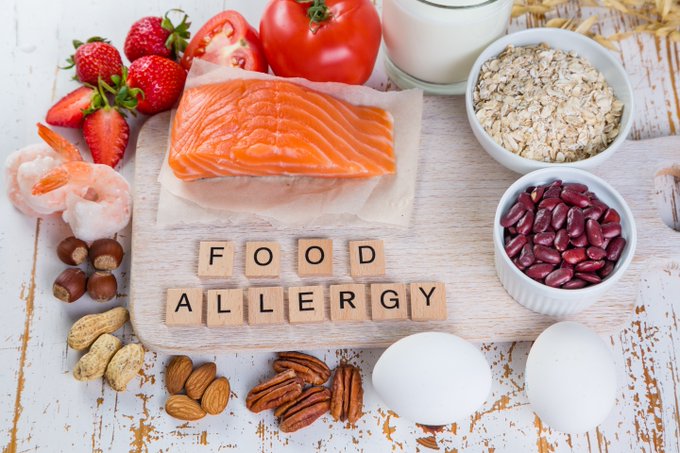
We eat a variety of food items in the day and to surmise and judge the allergen responsible for causing the allergy might be difficult. Food items like peanuts, milk, eggs and wheat are most likely to cause food allergies and you’d find many people around you complaining of the same.
Although allergies might prevent us from eating certain food items, sometimes even the ones that we crave for the most but there are substitutes and alternatives that could always help with such issues.
Exploring food allergies: An overview
Food allergies are a result of the immune system reacting to certain proteins in the food item by identifying them as a threat to the body. One is liable to develop a food allergy at any age but these are mostly stimulated during childhood. If your parents have any food allergies, you might inherit the same but to predict the odds is difficult. You might not always outgrow the allergies, they could be short lived or be triggered life long.
The reactions of a food allergy could be from mild to severe and even prove to be life-threatening. It is best to be aware of the symptoms early for the food allergies to not worsen their reactions later. Closely used with allergies is another term called intolerances, people might end up being confused between the two. While allergies can trigger serious reactions, food intolerances are less severe and one can actually eat small amounts of the food item without it harming them, contrary to allergies where one has to abstain from eating it at all.
There are mainly two types of allergic reactions -
- IgE-Mediated - These are immediate reactions that occur within minutes to hours of consuming the allergen. They usually trigger the release of histamine which might result in mild to severe symptoms, including anaphylaxis.
- Non IgE-Mediated - These are delayed reactions that occur within hours to days of consuming the allergen. Other parts of the immune system react to these allergens and cause gastrointestinal or skin related symptoms.
List of top 20 most common food allergies

Food allergies can be caused by a variety of food items, most of these are items we consume in our daily meals. Refer to this list of common food allergies which might help you identify yours-
- Milk
- Eggs
- Sesame
- Soy
- Peanuts
- Tree nuts like walnuts, almonds and cashews
- Shellfish like shrimp
- Wheat
- Fish
- Celery
- Triticale
- Mustard
- Barley
- Garlic
- Coriander
- Corn
- Onions
- Meats like chicken, beef and pork
- Mushrooms
- Avocado
Identifying and managing symptoms of food allergies
Common food allergies might trigger mild or alarming symptoms, they differ from person to person and are indicators to their specific food allergies.
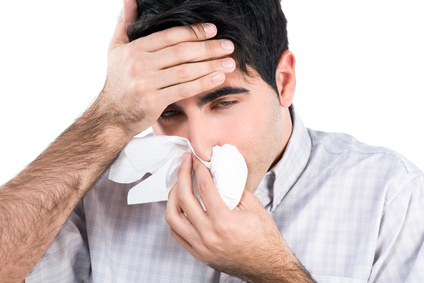
Common symptoms of food allergies include -
- Itchy and red skin
- Hives
- Itching or tingling in mouth
- Swelling of lips, tongue, throat and face
- Diarrhoea, vomiting, abdominal pain
- Wheezing and trouble breathing
- Lightheadedness, dizziness and loss of consciousness
- Runny nose
- Watery eyes
Anaphylaxis is a severe and sudden reaction to an allergen, mostly occurring immediately after the consumption. Such reactions can sometimes be life-threatening and one must get medical attention as soon as the first symptoms are recognised. Rarely do these symptoms get delayed by hours.
Symptoms of anaphylaxis include -
- Unresponsiveness and loss of consciousness
- Instant swelling of lips, mouth, tongue and throat
- Itchy skin and sudden rashes
- Shortness of breath, wheezing or breathing rapidly
- Lowering of blood pressure
- Difficulty swallowing
- Tongue, lips, skin turn blue or pale
- Hoarse voice
- Children becoming limp or floppy
- Streaming eyes and runny nose
Once you do recognise any of these common symptoms of food allergies, your health care professional is likely to conduct a few methods and tests to identify your food allergy -

- Skin prick test
- Blood test
- Oral food challenges
- Elimination diet
- Patch tests
At the beginning of your diagnosis, your doctor would ask for a detailed list of symptoms, would look into your family’s history of allergies and do a physical examination of your health problems as well. You might be asked to maintain a food diary which would state the food items you eat in a day and the symptoms they cause.
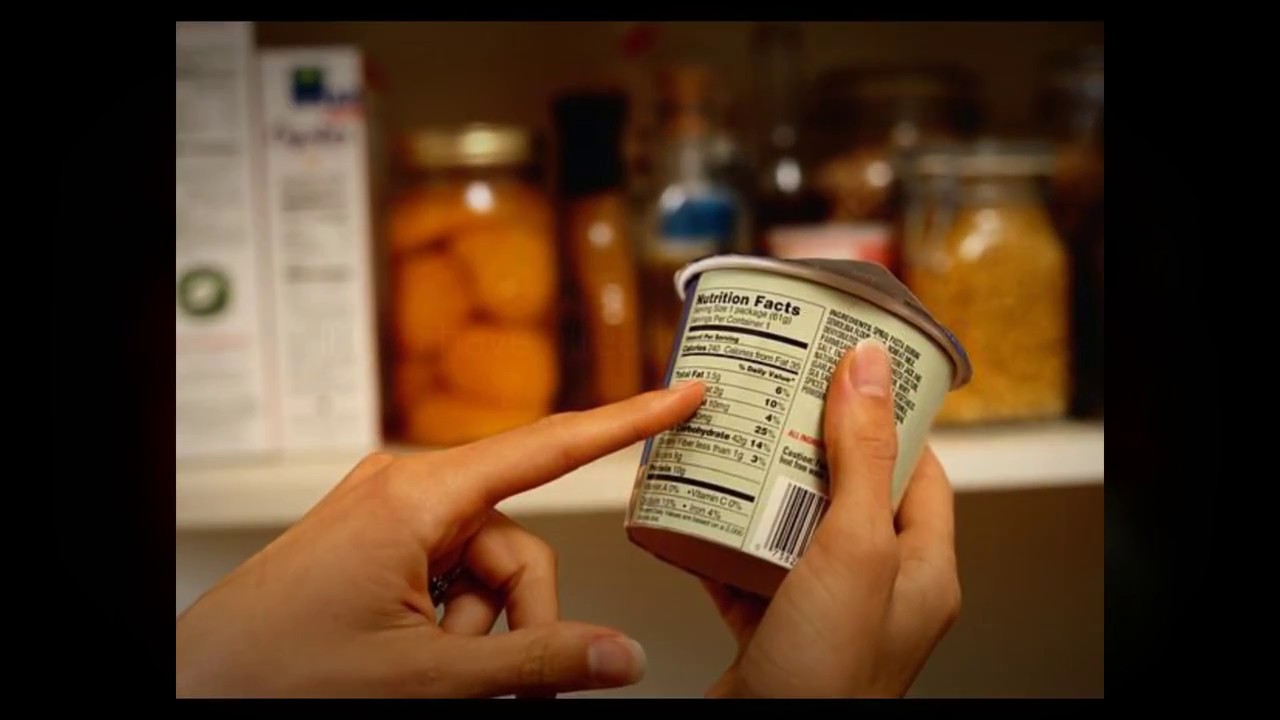
Once you’ve identified your food allergy, there are a few ways to manage it -
- Avoiding the consumption of the allergen completely.
- Read food labels carefully and attempt to understand the specifications.
- Most healthcare professionals also prescribe medications to treat food allergies, especially in severe cases.
- When you’re eating outside, the chef must be well aware that you’re allergic to a specific ingredient and must avoid putting it in the meal at all cost.
- The food item that you’re allergic to might be an important source of nutrition. There are substitutes for everything in the market today, be sure to look out for yours.
- Oral immunotherapy is being used today to treat common food allergies where increasing amounts of allergen is given to the person to desensitise the immune system’s reaction towards it.
- If you have a severe case of allergy, cooking utensils and surfaces must be cleaned thoroughly and free from the allergen as well.
Conclusion
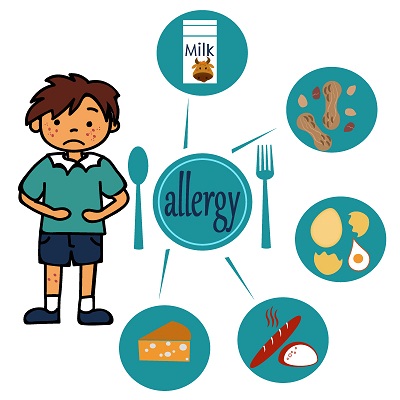
Food allergies commonly caused by milk, eggs, peanuts and soy might have troublesome reactions on the body but can be managed carefully by employing the right solutions. One might or might not be able to outgrow their food allergy but to have it under control such that the effects are negligible is the path to choose. To get diagnosed at the right moment helps in effectively dealing with the common symptoms of food allergies.
Frequently Asked Questions
What are the most common food allergies?
Common food allergies are caused by allergens like milk, eggs, sesame, soy, peanuts, tree nuts, shellfish, wheat and fish.
What are the typical symptoms of food allergies?
Typical symptoms of food allergies include itchy and red skin, hives, itching or tingling in mouth, swelling of lips, tongue, throat and face, diarrhoea, vomiting, trouble breathing, dizziness, loss of consciousness, runny nose and watery eyes.
Are there any effective treatments for food allergies?
There is no cure that can fully heal a food allergy but it can be managed by avoiding the consumption of the allergen, reading food labels thoroughly, oral immunotherapy, being careful while eating outside and taking the prescribed medicines.
How can one manage and cope with food allergies effectively?
Managing and coping with food allergies includes employing ways like finding substitutes of the allergen, reading food labels, being careful while eating outside, avoiding the consumption of the allergen and thoroughly rinsing any common cooking utensils and surfaces.
How can one determine if they have a food allergy?
You might be able to sense certain symptoms after eating a particular food item which could be the initial indication of a possible food allergy. However, food allergies are diagnosed by skin prick test, blood test, oral food challenges, elimination diet and patch tests.
How prevalent are food allergies in the general population?
Globally, food allergies affect 1-10% of the population while the prevalence is regulated by a variety of factors.