






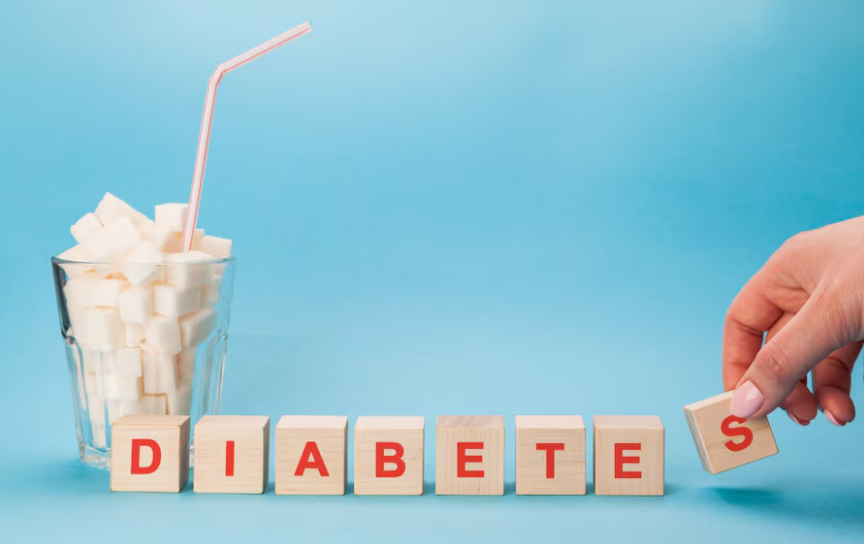

Beyond the surface: Delving deep into type 2 diabetes
Type 2 diabetes is a metabolic disorder characterised by high blood sugar levels due to the body's inability to effectively use insulin. Insulin, produced by the pancreas, regulates blood sugar levels.
The signs of type two diabetes include cells becoming resistant to insulin or the pancreas fails to produce enough insulin. Causes include genetic predisposition, sedentary lifestyle, obesity, and poor diet high in sugars and refined carbohydrates.
Risk factors encompass family history, age (typically over 45), being overweight, lack of physical activity, and ethnicity, with South Asians, Africans, Caribbeans, and Middle Easterners at higher risk. Lifestyle modifications, medication, and sometimes insulin therapy are common management approaches. Monitoring blood sugar levels is crucial in managing the condition of type 2 diabetes.
Managing type 2 diabetes

- Regular exercise: Incorporate at least 150 minutes of moderate-intensity aerobic activity weekly, such as brisk walking, cycling, or swimming.
- Weight management: Aim for a healthy weight by maintaining a balanced diet and engaging in regular physical activity to improve insulin sensitivity.
- Stress management: Practise stress-reducing techniques like meditation, yoga, or deep breathing exercises to help regulate blood sugar levels.
- Smoking cessation: Quit smoking, as it worsens insulin resistance and increases the risk of cardiovascular complications associated with diabetes.
- Regular monitoring: Check blood sugar levels regularly and keep track of food intake, exercise, and medication adherence.

Medications for type 2 diabetes
- Metformin: Often the first-line medication, it helps lower blood sugar levels by reducing glucose production in the liver and improving insulin sensitivity in tissues.
- Sulfonylureas: Stimulates insulin release from the pancreas to lower blood sugar levels, but may cause weight gain and hypoglycemia.
- DPP-4 inhibitors: Help lower blood sugar levels by preventing the breakdown of incretin hormones, which stimulate insulin release and inhibit glucagon secretion.
- Insulin therapy: May be necessary if oral medications are insufficient to control blood sugar levels, administered via injections or insulin pumps to mimic natural insulin secretion.

Dietary guidelines for type 2 diabetes control
- Carbohydrate management: Monitor carbohydrate intake, focusing on complex carbohydrates like whole grains, fruits, and vegetables, and limiting simple sugars and refined carbohydrates.
- Portion control: Maintain portion sizes to prevent overeating and stabilise blood sugar levels throughout the day.
- Balanced meals: Include a combination of carbohydrates, proteins, and healthy fats in each meal to promote stable blood sugar levels and satiety.
- Glycaemic index: Choose foods with a lower glycaemic index to minimise blood sugar spikes after meals, favouring foods like beans, lentils, and non-starchy vegetables.
- Hydration: Stay hydrated by drinking plenty of water throughout the day, as dehydration can affect blood sugar levels and overall health.
Preventing type 2 diabetes

- Maintain a healthy weight: Aim for a body mass index (BMI) within the healthy range to reduce the risk of insulin resistance.
- Regular physical activity: Engage in moderate-intensity exercise for at least 150 minutes per week to improve insulin sensitivity and promote weight management.
- Balanced diet: Follow a nutritious diet rich in fruits, vegetables, whole grains, lean proteins, and healthy fats while limiting processed foods, sugary beverages, and high-fat items.
- Avoid tobacco: Refrain from smoking or using tobacco products, as they increase the risk of developing type 2 diabetes and exacerbate complications.
- Limit alcohol consumption: Moderate alcohol intake, as excessive drinking can contribute to weight gain and increase the risk of insulin resistance and type 2 diabetes.
Healthy habits to reduce type 2 diabetes risk
- Monitor blood sugar levels: Keep track of blood sugar levels regularly, especially if there is a family history of diabetes or if other risk factors are present.
- Stress management: Practise stress-reduction techniques such as meditation, yoga, or deep breathing exercises to help maintain healthy blood sugar levels.
- Adequate sleep: Aim for 7-8 hours of quality sleep per night, as insufficient sleep can affect insulin sensitivity and increase the risk of developing type 2 diabetes.
- Regular health check-ups: Visit healthcare professionals for routine check-ups and screenings to monitor overall health and detect any early signs of diabetes or related conditions.
- Education and awareness: Stay informed about the risk factors, symptoms, and preventive measures for type 2 diabetes, and make informed lifestyle choices to reduce the risk of developing the condition.
Screening and early detection of type 2 diabetes

- Blood glucose tests: Undergo blood tests such as fasting plasma glucose (FPG) test, oral glucose tolerance test (OGTT), or glycated haemoglobin (HbA1c) test to screen for diabetes or prediabetes.
- Risk assessment: Evaluate individual risk factors such as family history, age, weight, and lifestyle habits to determine the need for diabetes screening.
- Regular screenings: Follow recommended screening guidelines based on age, risk factors, and medical history to detect type 2 diabetes or prediabetes early and initiate appropriate management strategies.
- Healthcare provider consultation: Consult healthcare professionals for personalised advice on diabetes screening frequency and methods based on individual risk profiles and medical history.
- Lifestyle modifications: Implement lifestyle changes such as diet, exercise, and weight management to prevent or delay the onset of type 2 diabetes and improve overall health outcomes.
Living with type 2 diabetes

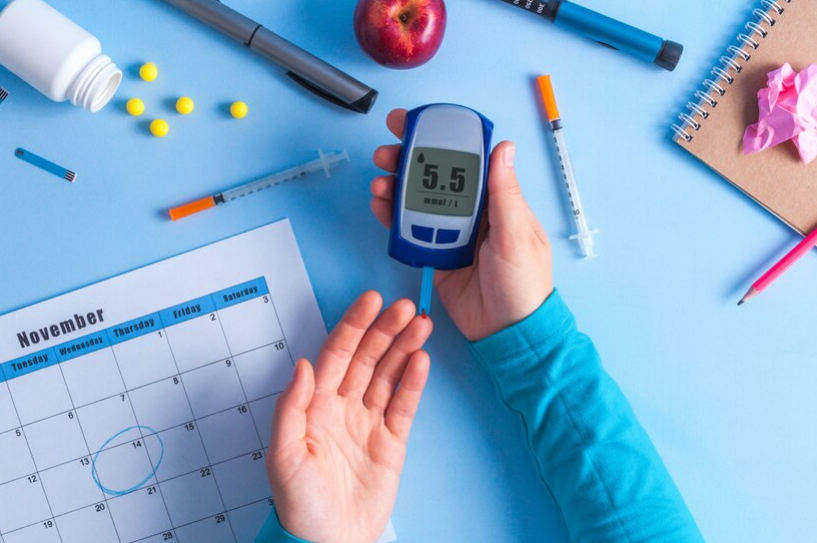
- Blood sugar monitoring: Check blood glucose levels regularly using a glucometer or continuous glucose monitoring system to track patterns and make necessary adjustments.
- Medication adherence: Take prescribed medications as directed by healthcare professionals to control blood sugar levels and prevent complications.
- Balanced diet: Follow a meal plan tailored to individual needs, focusing on portion control, carbohydrate management, and consistent meal timing to maintain stable blood sugar levels.
- Regular exercise: Incorporate physical activity into daily routines, such as walking, cycling, or strength training, to improve insulin sensitivity and overall health.
- Stress management: Practise relaxation techniques like deep breathing, meditation, or yoga to reduce stress levels, which can affect blood sugar control.
- Regular healthcare visits: Attend scheduled appointments with healthcare providers for routine check-ups, screenings, and adjustments to diabetes management plans.
Support systems for type 2 diabetes patients

- Healthcare team: Build a supportive network of healthcare professionals, including doctors, nurses, dietitians, and diabetes educators, to provide guidance, education, and ongoing support.
- Family and friends: Involve loved ones in diabetes management by educating them about the condition, seeking their understanding and encouragement, and enlisting their help in making healthy lifestyle changes.
- Support groups: Join local or online support groups for people living with diabetes to connect with others facing similar challenges, share experiences, and exchange practical tips and emotional support.
- Patient advocacy organisations: Seek information, resources, and advocacy support from diabetes-related organisations and charities to empower oneself and advocate for better diabetes care and awareness.
- Mental health professionals: Consult mental health professionals such as counsellors or therapists to address any emotional or psychological challenges associated with living with diabetes, such as stress, anxiety, or depression.
Embracing a positive mindset with type 2 diabetes

- Education and empowerment: Learn about diabetes management, treatment options, and self-care strategies to feel empowered and confident in managing the condition effectively.
- Focus on achievements: Celebrate small victories and successes in diabetes management, such as reaching blood sugar targets, maintaining a healthy lifestyle, or overcoming challenges.
- Positive self-talk: Replace negative thoughts and self-criticism with positive affirmations and self-compassion to foster resilience and maintain motivation in diabetes management.
- Gratitude practice: Cultivate gratitude by acknowledging and appreciating the blessings and positive aspects of life, despite the challenges posed by diabetes.
- Flexibility and resilience: Adapt to changes and setbacks in diabetes management with flexibility, resilience, and a growth mindset, viewing challenges as opportunities for learning and growth.
Conclusion
Type 2 diabetes necessitates proactive lifestyle adjustments, including healthy eating, regular exercise, and medication adherence, to effectively manage blood sugar levels and minimise complications. With support from healthcare professionals, loved ones, and a positive mindset, individuals can navigate the challenges of type 2 diabetes and lead fulfilling lives.

Frequently Asked Questions
What are the symptoms of type 2 diabetes?
- Increased thirst and frequent urination
- Fatigue and weakness
- Blurred vision
- Slow-healing wounds
- Tingling or numbness in hands or feet
- Recurrent infections
- Unexplained weight loss (in some cases)
How is type 2 diabetes diagnosed?
- Blood tests: Fasting plasma glucose (FPG), oral glucose tolerance test (OGTT), or glycated haemoglobin (HbA1c).
- Physical examination: Assessing symptoms and risk factors.
- Medical history: Evaluating personal and family medical history, especially for diabetes or related conditions.
Can type 2 diabetes be reversed?
Type 2 diabetes can be managed and sometimes reversed through lifestyle modifications such as weight loss, dietary changes, regular exercise, and medication adherence. However, reversal is not always possible, and long-term management may still be required.
What are the complications of untreated type 2 diabetes?
- Cardiovascular disease: Heart attack, stroke, and peripheral artery disease
- Nerve damage (neuropathy): Pain, numbness, or tingling in extremities
- Kidney damage (nephropathy): Chronic kidney disease or kidney failure
- Eye damage (retinopathy): Vision problems or blindness
- Foot problems: Infections, ulcers, and amputations
- Skin conditions: Infections, slow wound healing, and diabetic dermopathy