






Unlocking weight loss with hypothyroidism
The question of how to lose weight with hypothyroidism presents a unique challenge, as the condition can significantly impact metabolism and energy levels. However, with tailored strategies and insights, achieving weight loss goals is attainable. Understanding the interplay between thyroid function and weight management is crucial. Incorporating a balanced diet rich in nutrients that support thyroid health, such as iodine and selenium, can optimise metabolic function.
Additionally, regular exercise, including both cardiovascular and strength training, can boost metabolism and aid in learning how to lose weight with thyroid. Managing stress levels and prioritising sufficient sleep are also key factors in supporting thyroid function and overall well-being. By adopting a holistic approach that addresses both thyroid health and lifestyle factors, individuals can successfully understand how to lose weight with hypothyroidism and achieve it.

Why does hypothyroidism cause weight gain?
Hypothyroidism weight gain happens due to the following reasons:
- Metabolism slowdown: Hypothyroidism reduces the production of thyroid hormones, slowing down metabolism and decreasing the body's ability to burn calories efficiently.
- Caloric imbalance: With a slower metabolism, the body burns fewer calories, potentially leading to weight gain if calorie intake remains unchanged.
- Fluid retention: Hypothyroidism can cause fluid retention, leading to temporary weight gain due to increased water retention.
- Hormonal changes: Imbalances in hormones such as leptin, which regulates appetite, can occur in hypothyroidism, potentially leading to increased appetite and weight gain.
- Reduced physical activity: Fatigue and other symptoms associated with hypothyroidism may lead to decreased physical activity levels, contributing to weight gain.
- Overall lifestyle effects: Hypothyroidism can impact mood and energy levels, potentially affecting dietary choices and exercise habits, further influencing weight gain.

Strategies for losing weight with hypothyroidism
Here are a few strategies on how to lose weight with thyroid:
- Medication adherence: Consistently taking prescribed thyroid hormone replacement medication as directed by a healthcare provider is crucial to regulate thyroid hormone levels and support metabolism.
- Balanced diet: Focus on a nutrient-rich diet with lean proteins, whole grains, fruits, vegetables, and healthy fats. Ensure adequate intake of iodine-rich foods (e.g., seaweed, iodised salt) and selenium sources (e.g., Brazil nuts, seafood) to support thyroid function.
- Portion control and mindful eating: Pay attention to portion sizes and practise mindful eating to avoid overeating, as hypothyroidism may affect hunger cues and metabolism.
- Regular exercise: Incorporate a mix of aerobic exercises (e.g., walking, swimming) and strength training to boost metabolism, burn calories, and maintain muscle mass. Start gradually and consult a healthcare provider for personalised exercise recommendations.

- Manage stress: Chronic stress can worsen symptoms of hypothyroidism and impact weight management. Practise stress-reducing techniques such as mindfulness, meditation, yoga, or deep breathing exercises.
- Prioritise sleep: Aim for adequate and quality sleep each night to support overall health, energy levels, and hormone regulation, which can positively influence weight management.
- Monitor progress: Keep track of food intake, physical activity, and symptoms to identify patterns and adjust strategies accordingly. Regularly check in with a healthcare provider to monitor thyroid hormone levels and adjust treatment if necessary.

Dietary modifications for hypothyroid weight loss
Here are some dietary modifications for learning how to lose weight with thyroid:
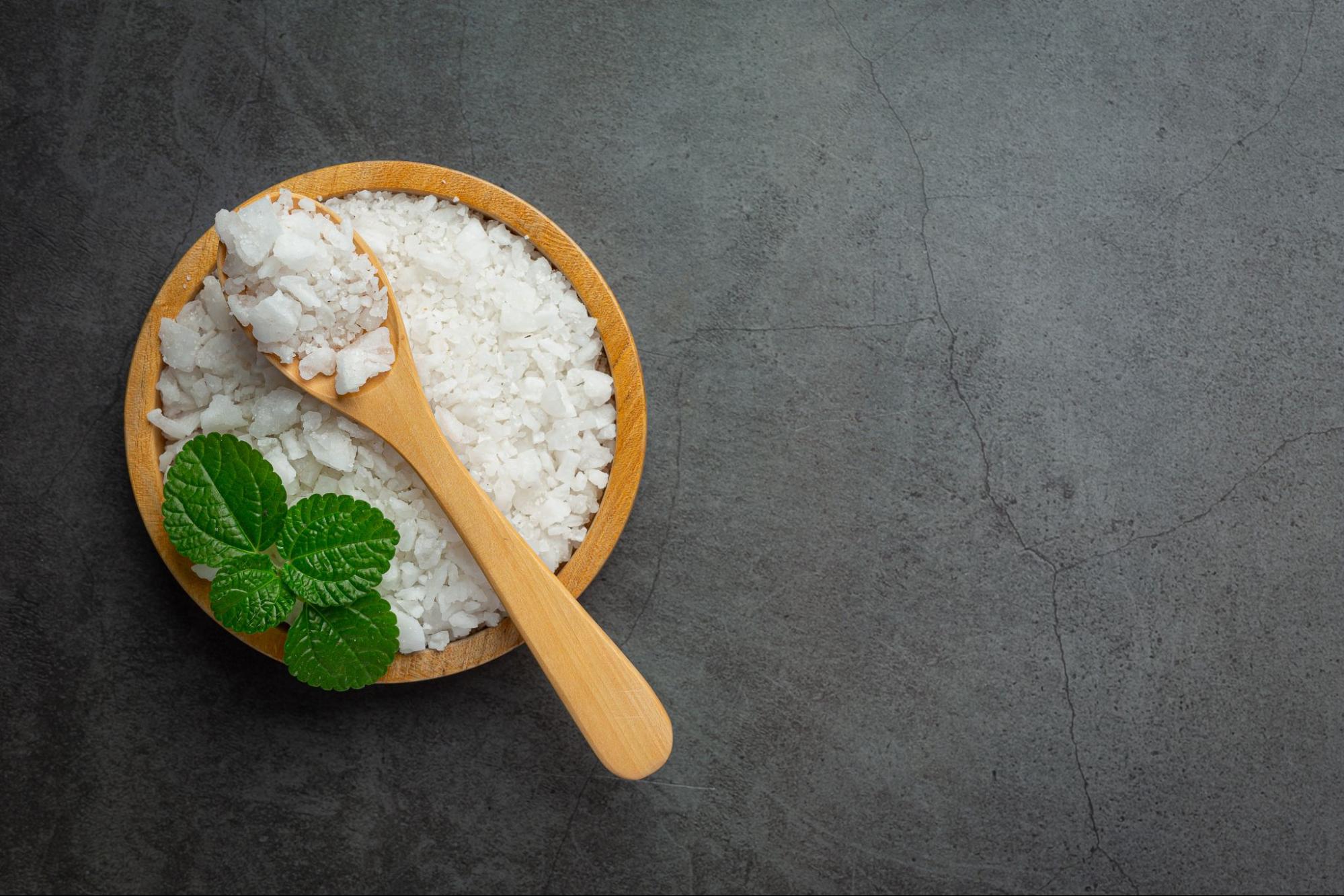
- Iodine-rich foods: Include iodine-rich foods like seaweed, seafood (such as fish and shellfish), dairy products, and iodised salt. Iodine is essential for thyroid hormone production.
- Selenium sources: Consume selenium-rich foods like Brazil nuts, sunflower seeds, eggs, poultry, and fish. Selenium plays a crucial role in thyroid hormone metabolism.
- Whole grains: Opt for whole grains such as brown rice, quinoa, oats, and whole wheat bread, which provide complex carbohydrates for sustained energy and fibre for digestive health.
- Lean proteins: Incorporate lean protein sources such as chicken, turkey, fish, tofu, legumes, and beans. Protein supports muscle mass and metabolism.
- Healthy fats: Include healthy fats from sources like avocados, nuts (such as almonds, walnuts), seeds (such as chia seeds, flaxseeds), and olive oil. These fats help in hormone production and absorption of fat-soluble vitamins.
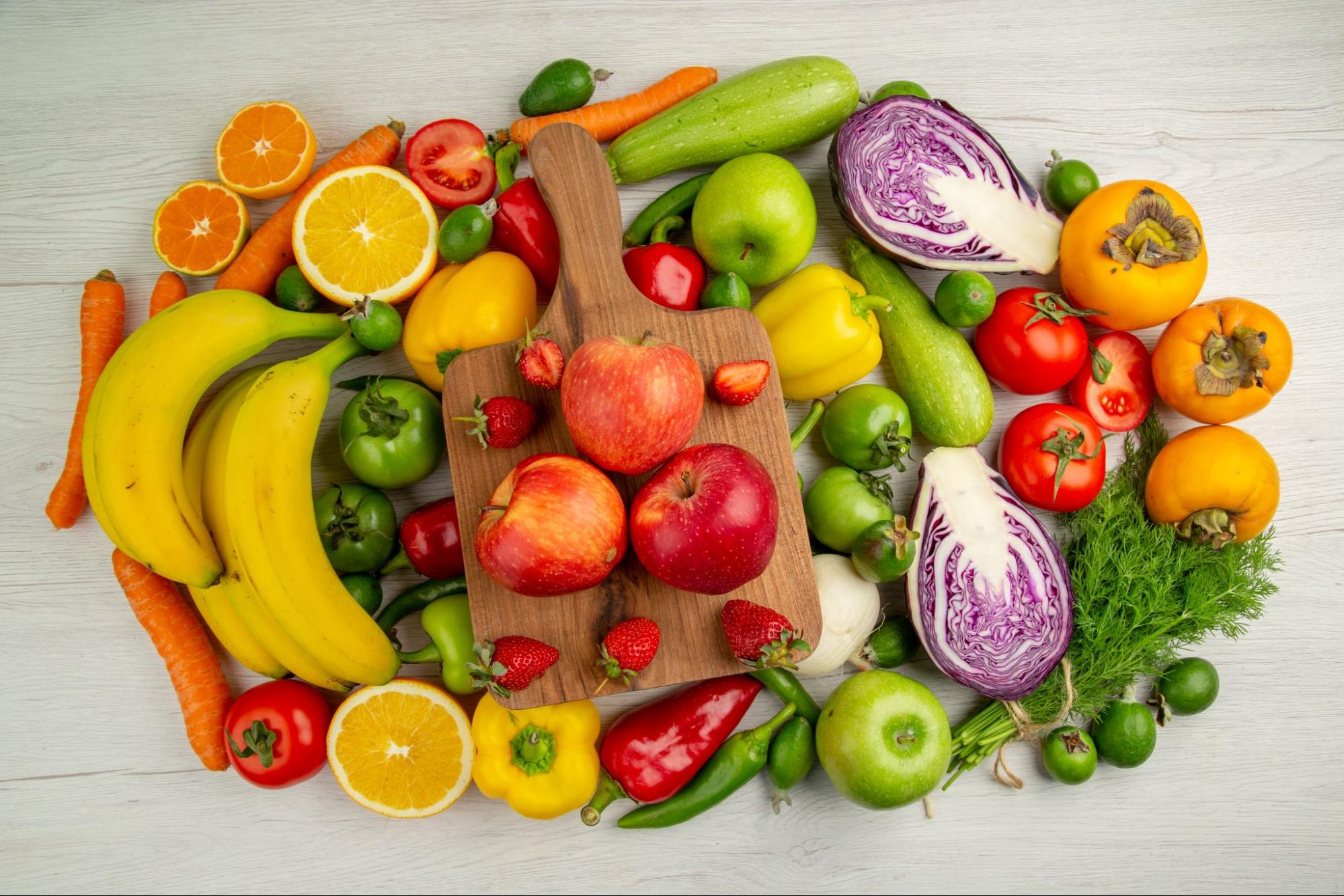
- Fruits and vegetables: Eat a variety of colourful fruits and vegetables, as they provide essential vitamins, minerals, antioxidants, and fibre. Aim for at least 5 servings per day.
- Limit goitrogenic foods: While some foods contain compounds called goitrogens that can interfere with thyroid function when consumed in large amounts, cooking or steaming these foods can help reduce their goitrogenic effects. Examples include cruciferous vegetables like broccoli, cabbage, Brussels sprouts, and kale.
- Moderate sugars and refined carbohydrates: Limit intake of sugary snacks, desserts, and refined carbohydrates like white bread, pastries, and sugary drinks, as they can contribute to inflammation and blood sugar imbalances.
- Hydration: Drink plenty of water throughout the day to stay hydrated and support metabolic function.
- Regular meals and snacks: Aim for regular, balanced meals and snacks to maintain stable blood sugar levels and support energy levels throughout the day.
Remember to consult with a healthcare provider or registered dietitian for personalised dietary recommendations tailored to your specific health needs and goals. They can provide guidance on managing hypothyroidism through diet while ensuring nutritional adequacy.

Conclusion
Dietary and lifestyle modifications are integral in managing weight loss with hypothyroidism. By prioritising nutrient-rich foods, regular exercise, stress management, and adequate sleep, individuals can support thyroid function, boost metabolism, and achieve their weight loss goals effectively and sustainably. Consulting healthcare professionals ensures personalised guidance.

Frequently Asked Questions
Why does hypothyroidism lead to weight gain?
Hypothyroidism slows down metabolism due to insufficient thyroid hormone production, leading to fewer calories burned at rest. This can result in weight gain, along with other factors like fluid retention and hormonal changes.
How can I effectively lose weight if I have hypothyroidism?
To effectively lose weight with hypothyroidism, focus on a balanced diet rich in nutrients that support thyroid function, regular exercise to boost metabolism, stress management, adequate sleep, and medication adherence as prescribed by a healthcare provider.
Are there specific diets or foods that can help with weight loss in hypothyroidism?
Include iodine-rich foods (seaweed, seafood), selenium sources (Brazil nuts, eggs), whole grains, lean proteins, healthy fats, and plenty of fruits and vegetables. Limit processed foods, sugars, and refined carbohydrates, and consult a healthcare provider for personalised dietary recommendations.
Are there specific exercises that are beneficial for individuals with thyroid problems looking to lose weight?
Incorporate a mix of aerobic exercises (walking, cycling, swimming) and strength training to boost metabolism, burn calories, and maintain muscle mass. Start gradually and consult a healthcare provider for personalised exercise recommendations.
What is the relationship between hypothyroidism and weight gain?
Hypothyroidism slows down metabolism, leading to weight gain due to fewer calories burned at rest. Additionally, factors like fluid retention, hormonal changes, decreased physical activity, and altered appetite regulation contribute to weight gain in individuals with hypothyroidism.
Can exercise alone help in managing weight gain associated with hypothyroidism?
While exercise is beneficial for managing weight gain associated with hypothyroidism by boosting metabolism and burning calories, it's essential to combine it with dietary modifications, stress management, adequate sleep, and medication adherence for optimal weight management results.