







Best vegetarian sources of protein
In today's health- and environment- conscious world, adopting vegetarianism diet has become increasingly popular. However, concerns often arise about obtaining an adequate intake of sources of protein in vegetarian diet without relying on meat. Fear not, as the plant kingdom is has a lot of diversity and nutrient-rich sources of protein to support your vegetarian lifestyle.
From hearty legumes like lentils and chickpeas to versatile tofu and tempeh, there's no shortage of delicious options to meet your protein needs. Additionally, nuts, seeds, and grains such as quinoa and amaranth provide essential amino acids for overall well-being.
Join us as we explore the vibrant array of vegetarian sources of complete protein, empowering you to thrive on your meat-free journey.
Understanding protein in vegetarian diets
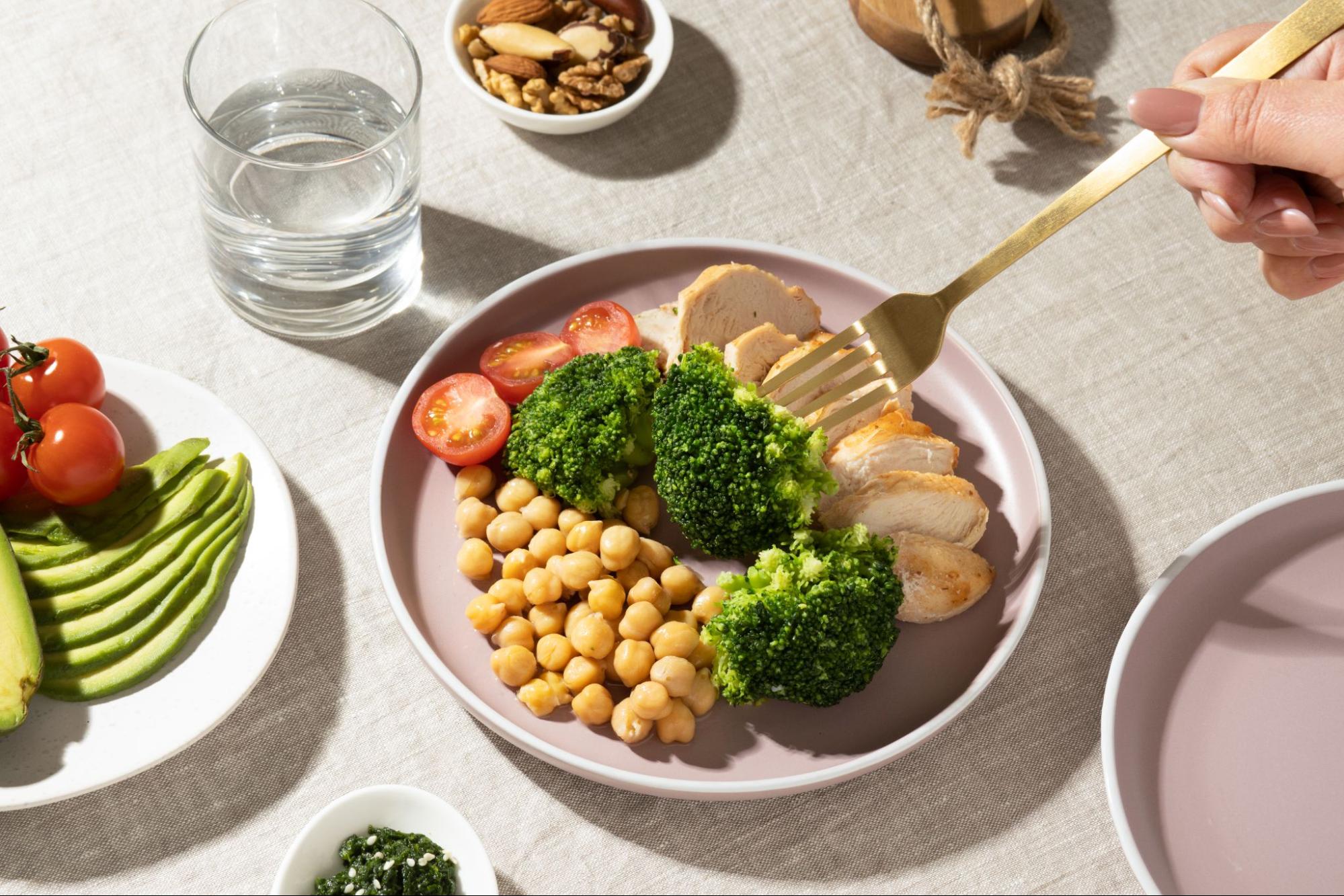
Protein plays a pivotal role in sustaining a healthy vegetarian diet, serving as a fundamental building block for various bodily functions. Generally speaking, the recommended daily intake of protein for adults is around 0.75 grams per kilogram of body weight, though individual needs may vary based on factors such as age, activity level, and health status.
Sources of protein in vegetarian diet, where meat – a significant protein source – is absent, it becomes imperative to obtain protein from alternative sources. Protein is crucial for muscle repair and growth, aiding in the recovery process after physical activity and contributing to the maintenance of lean muscle mass.
Moreover, protein is essential for bolstering immune function, as it helps produce antibodies and supports the body's defence against infections and diseases. Additionally, sources of protein in vegetarian food contribute to the synthesis of enzymes and hormones, assists in maintaining healthy skin, hair, and nails, and plays a vital role in cell repair and regeneration.
By incorporating a variety of vegetarian sources of complete protein, plant-based protein sources such as legumes, tofu, tempeh, nuts, seeds, and whole grains into your diet, you can ensure an adequate intake of protein to support optimal health and well-being on your vegetarian journey.
Top vegetarian sources of protein
Here's an extensive list of sources of protein in vegetarian diet across various categories:
Legumes
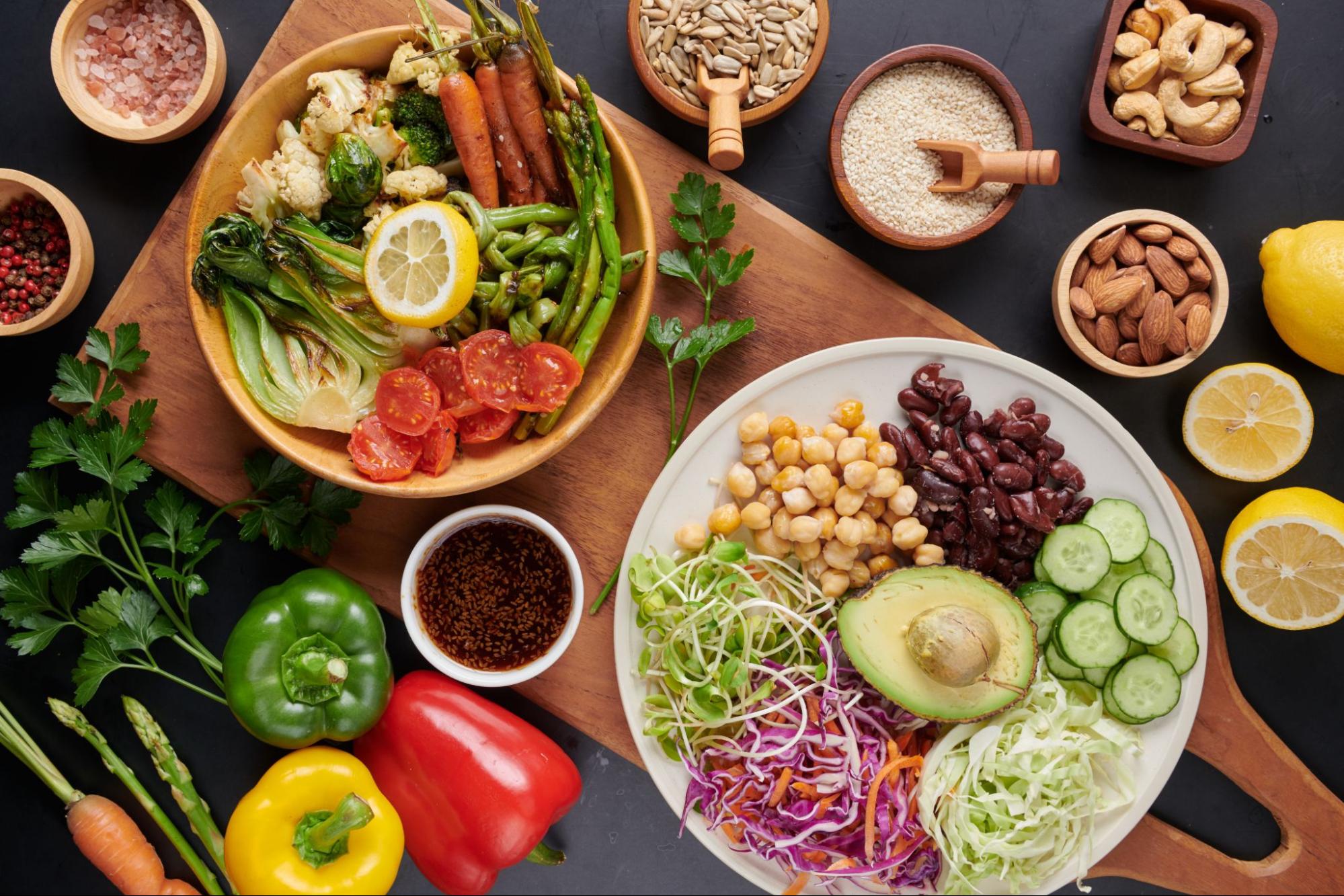
- Lentils
- Chickpeas (Garbanzo beans)
- Black beans
- Kidney beans
- Split peas
- Soybeans (Edamame)
- Black-eyed peas
- Pinto beans
- Cannellini beans
- Navy beans
Nuts and seeds
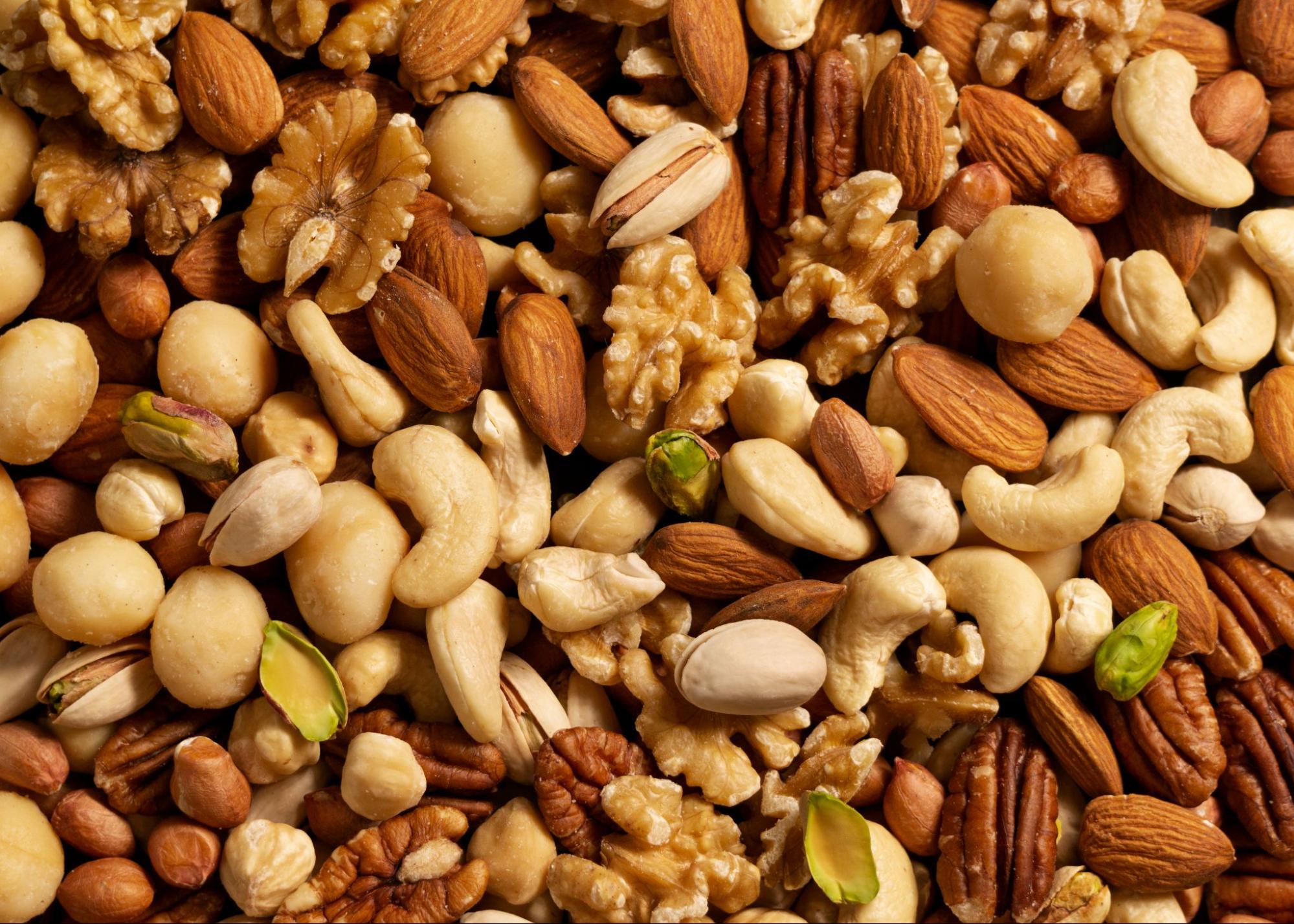
- Almonds
- Pistachios
- Walnuts
- Cashews
- Peanuts
- Chia seeds
- Hemp seeds
- Flaxseeds
- Pumpkin seeds (Pepitas)
- Sunflower seeds
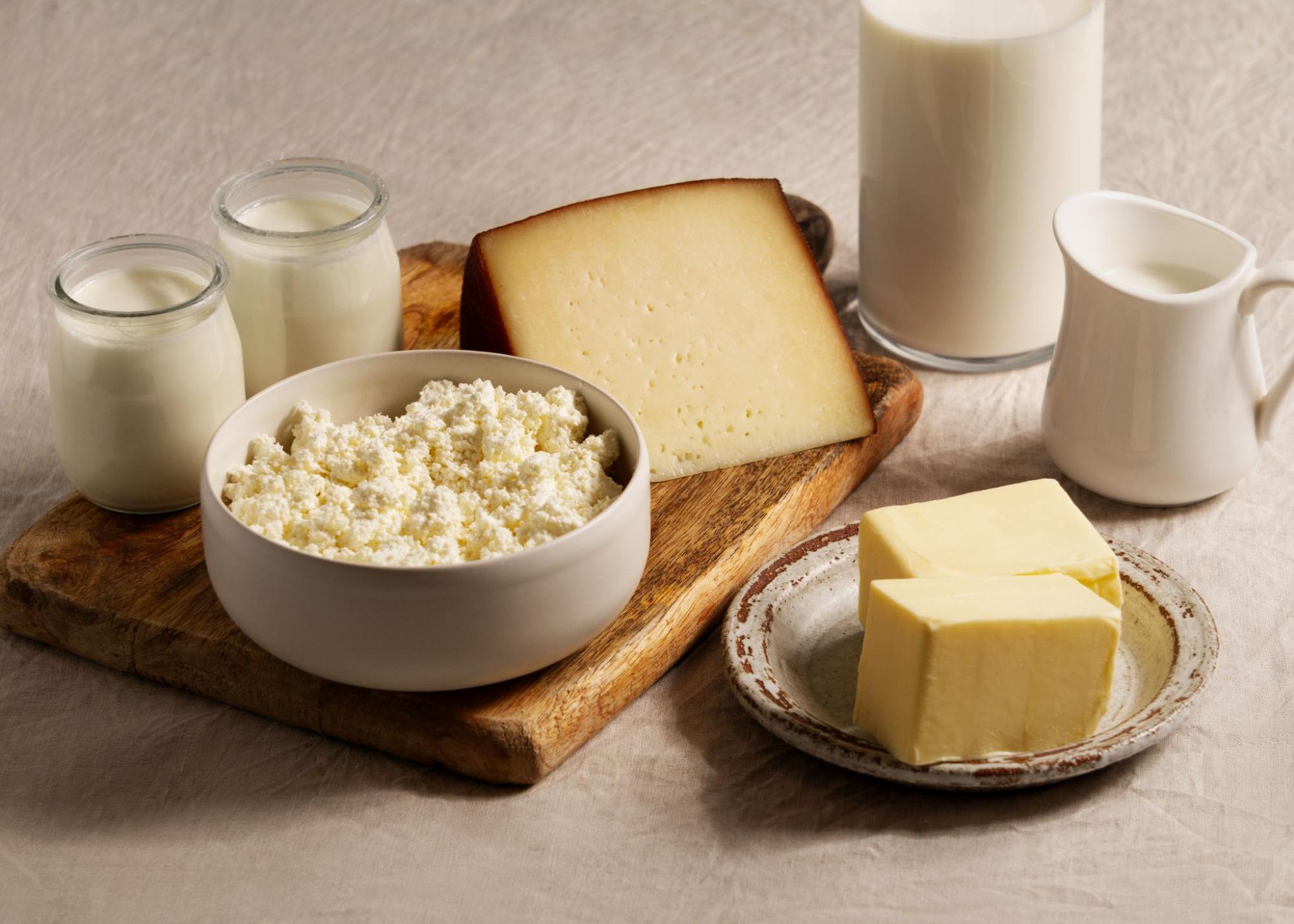
Dairy products
- Greek yoghurt
- Cottage cheese
- Mozzarella cheese
- Parmesan cheese
- Swiss cheese
- Cheddar cheese
- Feta cheese
- Ricotta cheese
- Paneer (Indian cottage cheese)
- Skyr (Icelandic yoghurt)
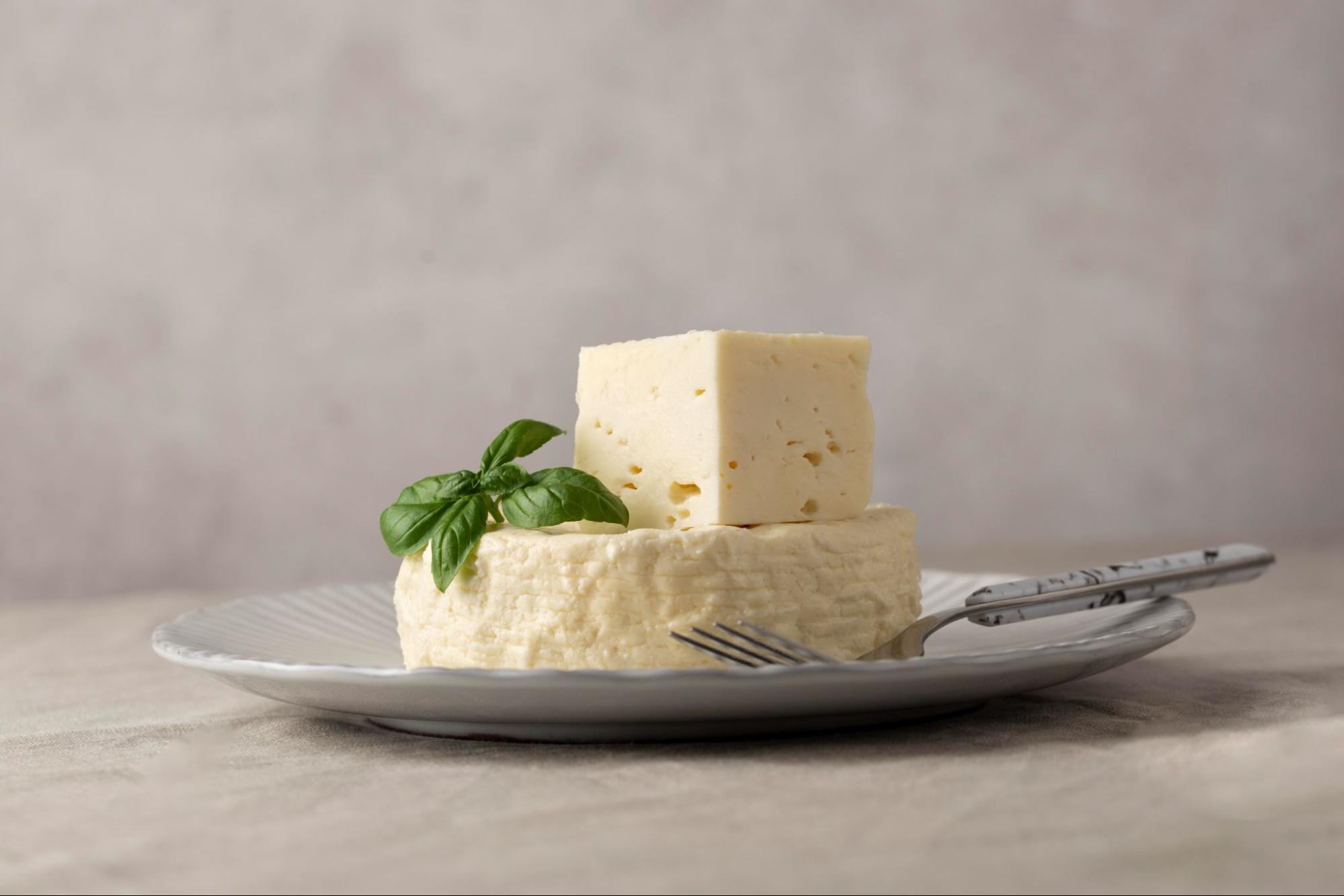
Plant-based meat alternatives
- Tofu
- Tempeh
- Seitan (wheat gluten)
- Soy-based meat substitutes
- Legume-based burgers and sausages
- Mushroom-based meat alternatives
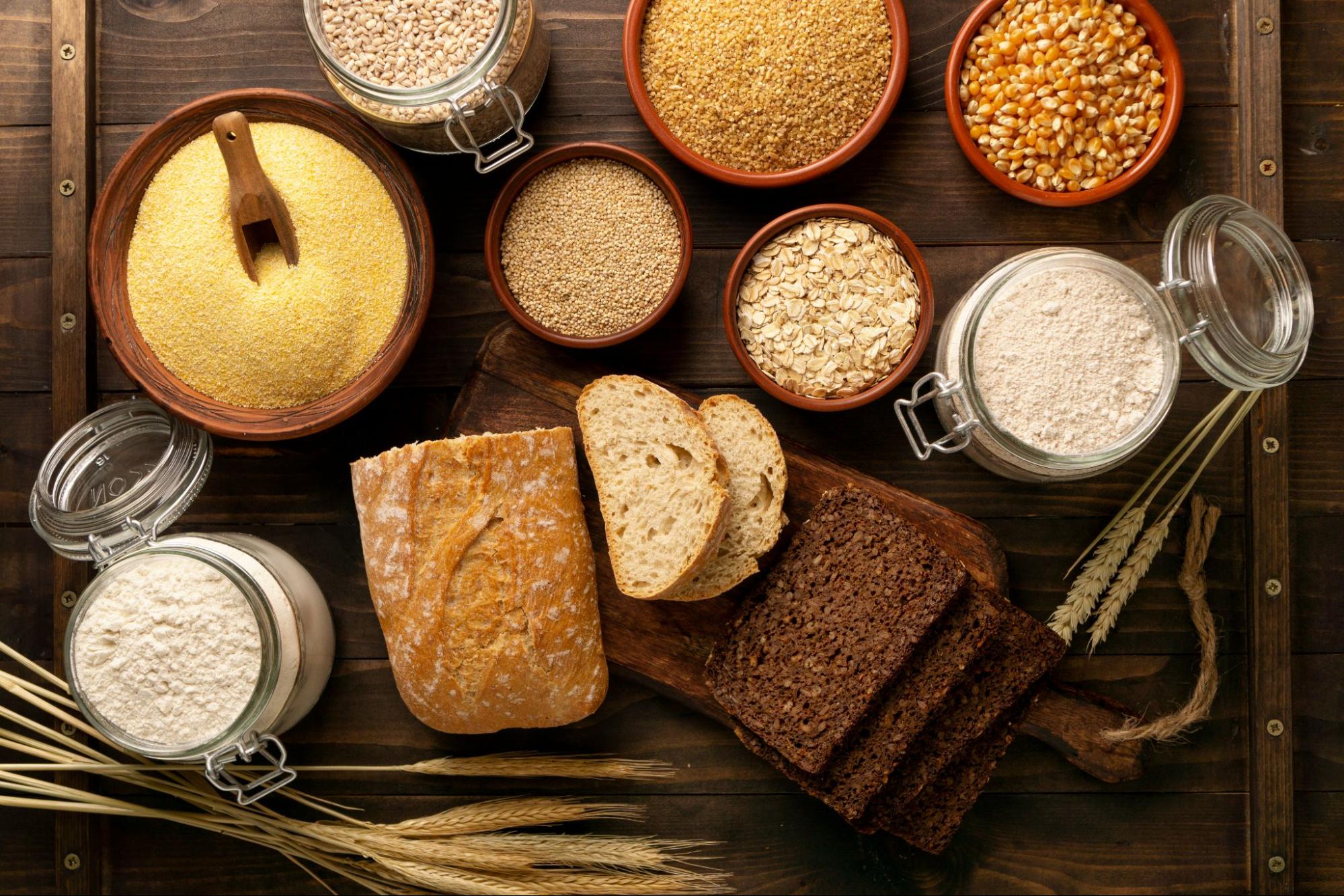
Whole Grains and pseudocereals (with notable protein content)
- Quinoa
- Amaranth
- Buckwheat
- Oats
- Brown rice
- Barley
- Farro
- Bulgur
- Teff
- Millet
These vegetarian sources of complete protein offer a diverse range of options to help meet protein needs and support a balanced and nutritious plant-based diet.
Creating balanced vegetarian meals
Combining different protein sources with other food groups is crucial for creating balanced and nutritious vegetarian meals that provide essential nutrients and promote overall health.
- Complete protein: Most plant-based protein sources lack one or more essential amino acids compared to animal proteins. By combining different protein sources, such as legumes with grains or nuts with seeds, you can create complete protein combinations that provide all essential amino acids necessary for optimal bodily functions.
- Nutrient diversity: Incorporating a variety of protein sources into meals ensures a diverse array of nutrients. For example, legumes are rich in fibre, folate, and iron, while nuts and seeds provide healthy fats, vitamins, and minerals. Combining these with vegetables, fruits, and whole grains ensures a wide range of vitamins, minerals, antioxidants, and phytonutrients.
- Enhanced absorption: Some nutrients, like iron and zinc, are better absorbed when consumed with certain foods. Pairing plant-based iron sources (e.g., beans, lentils) with vitamin C-rich foods (e.g., citrus fruits, bell peppers) enhances iron absorption. Similarly, consuming foods high in vitamin D (e.g., fortified dairy alternatives) alongside calcium-rich foods aids calcium absorption.
- Satiety and balanced energy: Protein, when combined with carbohydrates and healthy fats, helps promote satiety and balanced energy levels throughout the day. Including protein-rich foods in meals and snacks can help prevent spikes and crashes in blood sugar levels, keeping hunger at bay and sustaining energy levels.
- Optimal digestion: Combining different protein sources with other food groups can support optimal digestion. For instance, pairing high-fibre legumes with whole grains promotes digestive regularity and supports gut health.
- Taste and texture: Combining various protein sources with different textures and flavours can enhance the palatability of vegetarian meals, making them more enjoyable and satisfying.
In summary, combining vegetarian sources of complete protein with other food groups in vegetarian meals contributes to the creation of balanced and nutritious vegetarian diets that support overall health and well-being.
Conclusion
Crafting balanced and nutritious vegetarian meals entails thoughtfully combining diverse vegetarian sources of complete protein with complementary food groups. This approach ensures complete nutrition, optimises nutrient absorption, and promotes overall health and well-being. Embrace the versatility of plant-based foods to create satisfying and nourishing culinary experiences.
Frequently Asked Questions
What are the best vegetarian sources of protein?
Legumes such as lentils and chickpeas, tofu, tempeh, nuts, seeds, dairy products, and plant-based meat alternatives like seitan and quinoa are among the top vegetarian protein sources.
How can vegetarians ensure they are getting enough protein in their diet?
Vegetarians can ensure adequate protein intake by including a variety of protein-rich foods in their meals, such as legumes, nuts, seeds, dairy products, and plant-based meat alternatives. Balancing protein sources with other food groups ensures complete nutrition.
Are there any concerns about the protein quality in vegetarian sources?
While vegetarian protein sources may lack one or more essential amino acids, combining different protein sources within meals can create complete protein profiles. With proper planning, vegetarians can obtain high-quality protein from plant-based sources.
What are the recommended daily protein intake levels for vegetarians?
The recommended daily protein intake for vegetarians is around 0.75 grams per kilogram of body weight, similar to non-vegetarians. However, individual protein needs may vary based on factors such as age, activity level, and health status.
Can a vegetarian diet provide all essential amino acids?
Yes, a well-planned vegetarian diet can provide all essential amino acids by combining various plant-based protein sources such as legumes, grains, nuts, seeds, and dairy products. Including a variety of protein-rich foods ensures that vegetarians meet their amino acid requirements for optimal health.