




Health markers that you should track
Health marker tracking is a dynamic approach to monitor and assess various health metrics that reflect an individual's well-being. In an era increasingly characterised by personalised healthcare, tracking body metrics has emerged as a pivotal tool to proactively manage one's health. Now, what are health metrics? These markers encompass a wide array of physiological, biochemical, and lifestyle parameters, including but not limited to blood pressure, heart rate, sleep patterns, and physical activity.
Importance of health monitoring
Health monitoring is crucial for proactive well-being management, offering a lens into our body's intricate functions. Regular tracking of vital signs, activity levels, and other health metrics provides valuable insights, enabling early detection of potential issues. This preventive approach empowers individuals to make informed lifestyle choices, mitigating health risks and promoting longevity.
Continuous monitoring also facilitates personalised healthcare, allowing for tailored interventions and treatment plans. In an era where chronic conditions are on the rise, health monitoring becomes a cornerstone for disease prevention, fostering a paradigm shift towards proactive self-care and reducing the burden on healthcare systems. So, now, you might wonder, what are health metrics that need to be tracked to optimise well being.
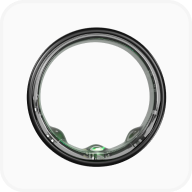
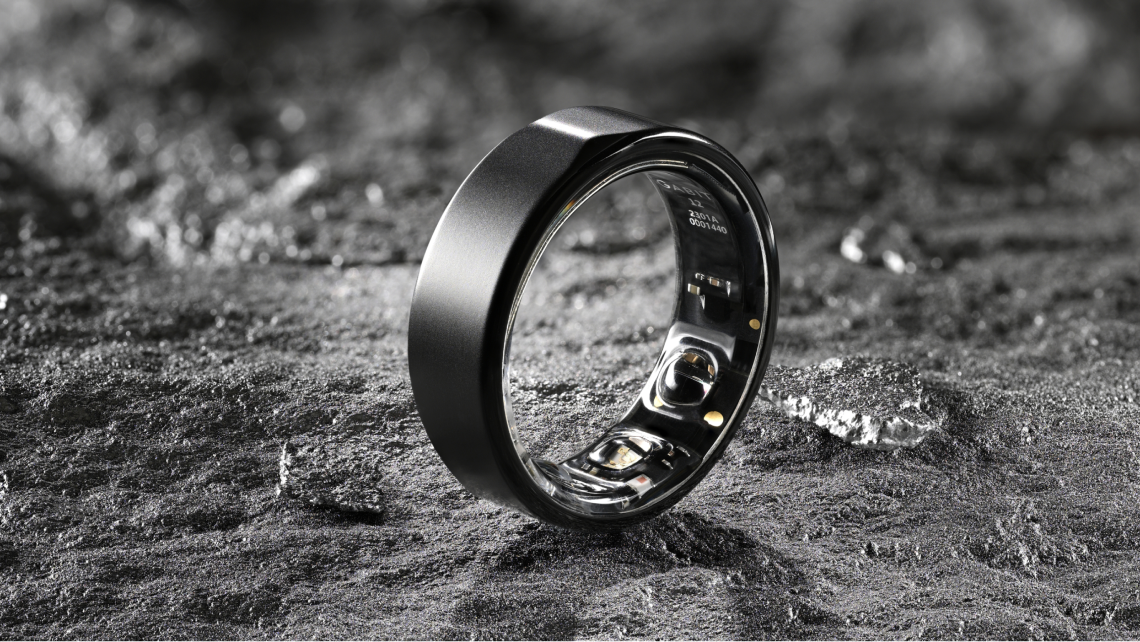
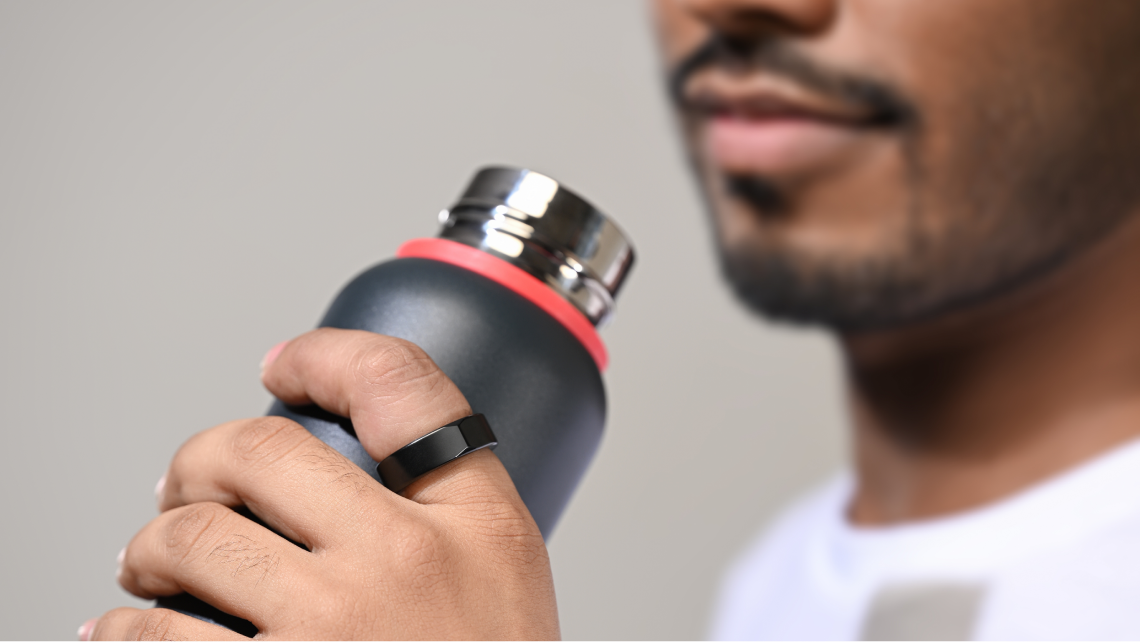
A smart ring is one of the most effective ways of tracking your health. It’s convenient, non-intrusive, durable and reliable.
Why use smart rings for health tracking?
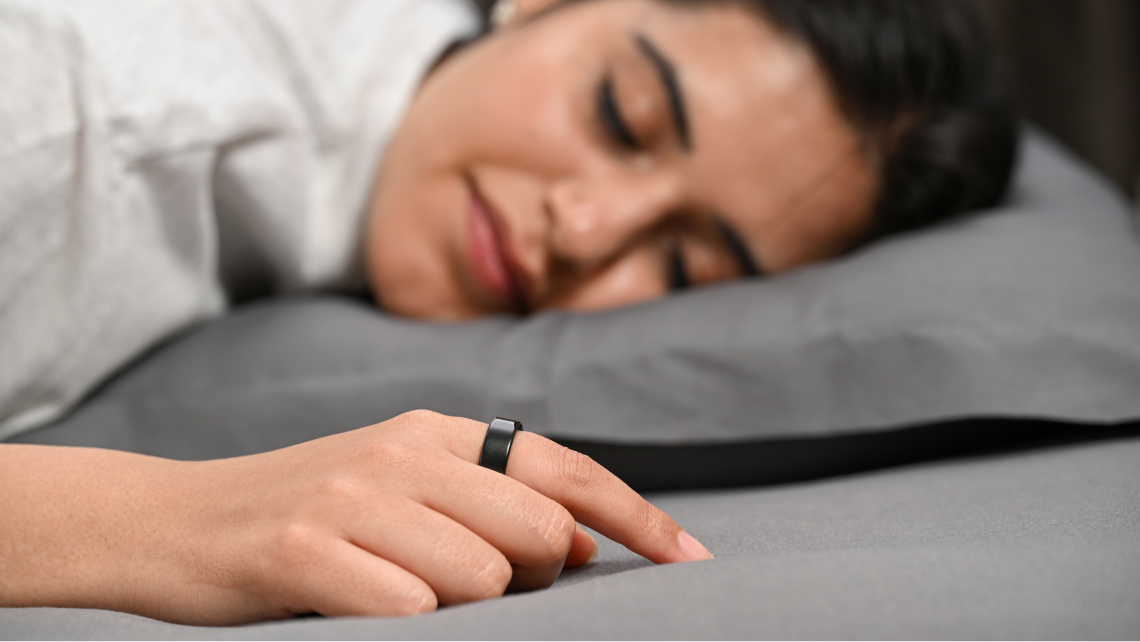
These wearables monitor key health markers like heart rate, sleep patterns, and activity levels, providing real-time data with minimal intrusion. Their unobtrusive design ensures continuous monitoring without the discomfort of bulkier devices. With wireless connectivity to smartphones, smart rings empower users to track and analyse their health data effortlessly. The constant and passive monitoring capability allows for a comprehensive understanding of one's well-being, facilitating proactive health management. Overall, smart rings offer a discreet and accessible means to prioritise and optimise personal health in a tech-savvy, modern lifestyle.
Some health markers to track
Resting heart rate
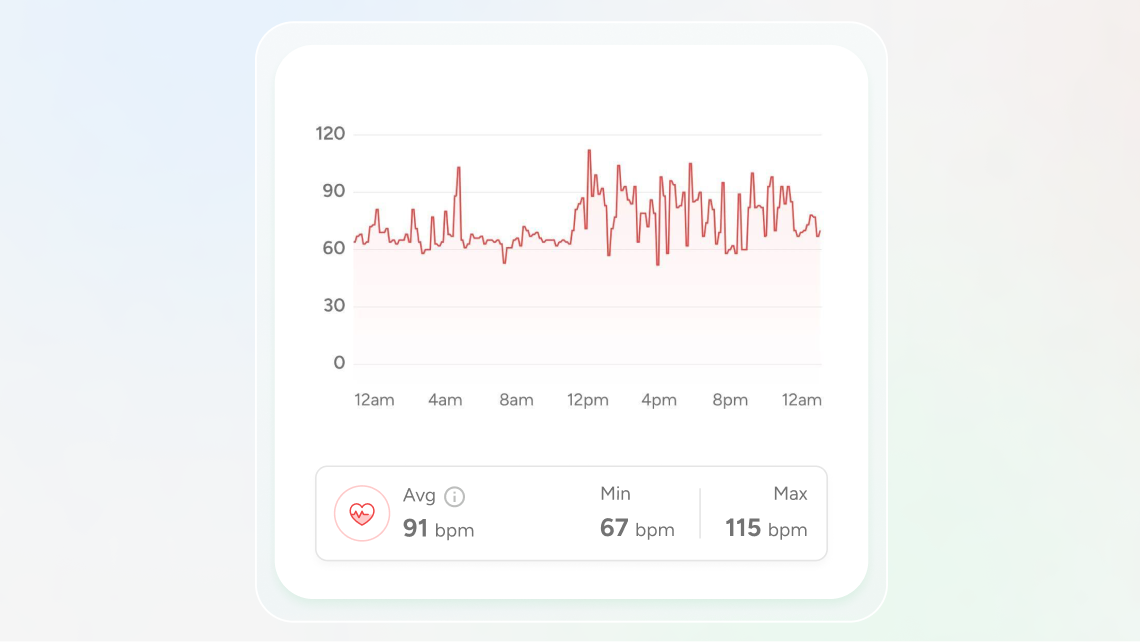
Monitoring resting heart rate is integral to understanding cardiovascular health. The heart rate, measured in beats per minute, serves as a vital indicator of the heart's efficiency in pumping blood throughout the body. Similarly, keeping a check on one's' resting heart is rate is important. A normal resting heart rate ranges between 60 and 100 beats a minute. Usually, a lower resting heart rate means your heart is working more efficiently and is more fit.
Regular tracking helps individuals gauge their fitness levels, assess stress, and identify potential cardiac issues. Abnormalities in heart rate patterns can signal underlying health problems, making it one of the most important health metrics for early detection and intervention.
Sleep patterns
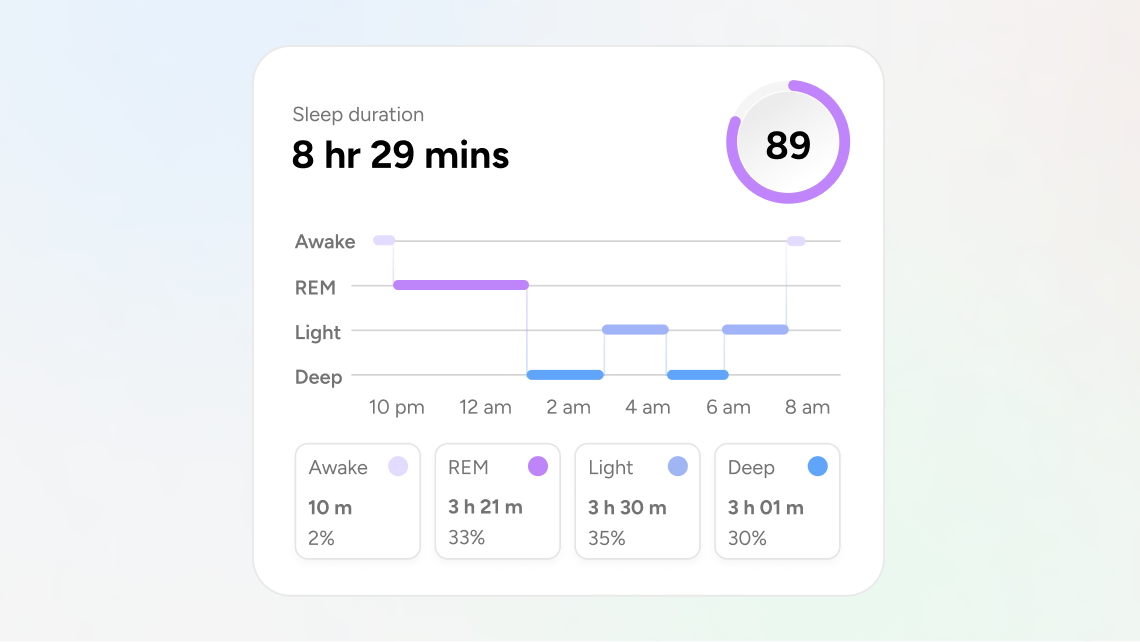
Sleep patterns are fundamental to overall health, influencing physical and mental well-being. Consistent, quality sleep is essential for cognitive function, emotional resilience, and immune system maintenance. Monitoring sleep patterns reveals crucial insights into the duration, stages, and disruptions during rest. Adequate deep sleep and REM cycles are vital body metrics for memory consolidation and overall restoration. Tracking the duration of your sleep is as necessary as understanding the quality of your sleep. Your body recovers the most when you are in deep sleep.
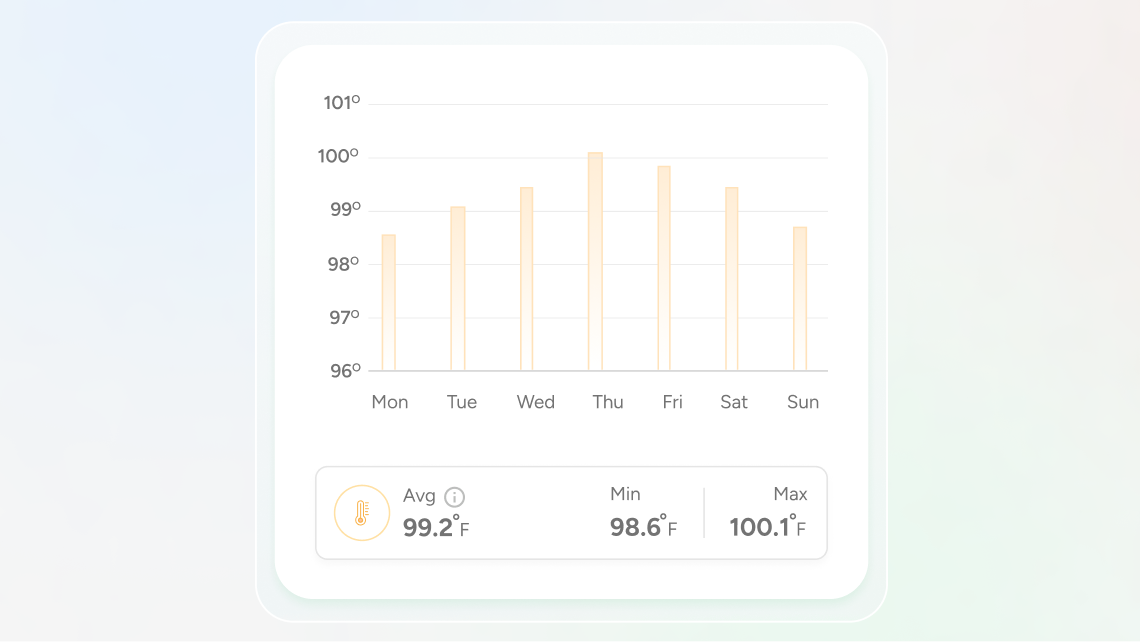
Body temperature
Monitoring body temperature is a key aspect of health surveillance, serving as a reliable one of the good health indicators of physiological balance. Fluctuations in body temperature can signal various health conditions, including infections, inflammation, or hormonal imbalances. Consistent monitoring aids in the early detection of illnesses, allowing for prompt medical intervention. With the advancement of technology, smart thermometers and wearable devices enable seamless temperature tracking, providing users with real-time data. This proactive approach is particularly valuable during infectious disease outbreaks, facilitating the identification of potential symptoms and aiding in public health efforts.
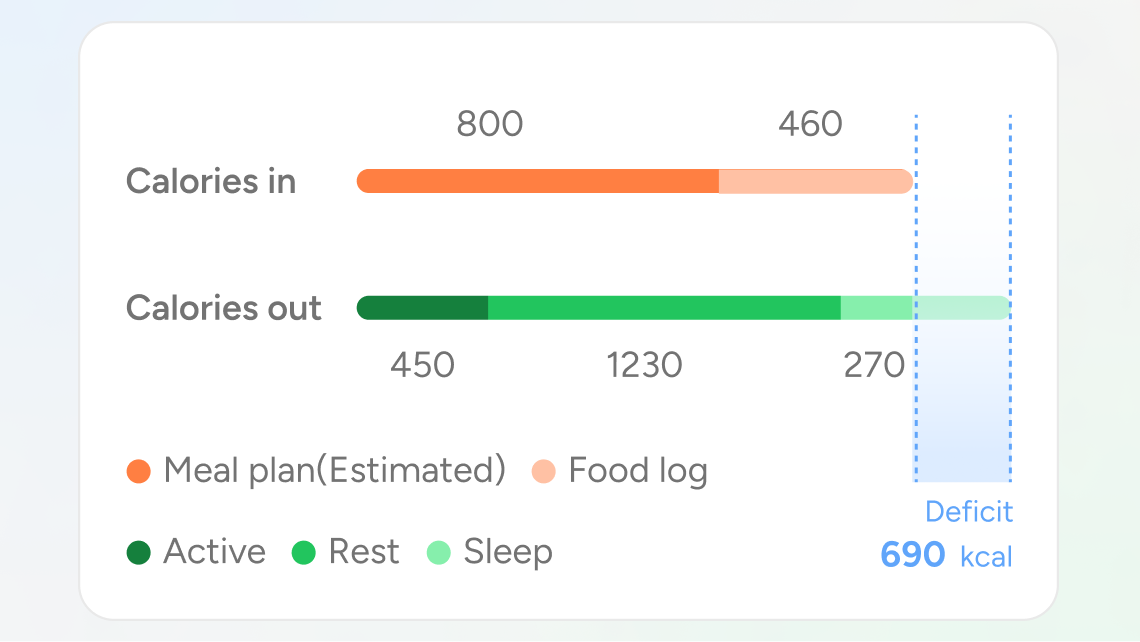
Calorie burn/intake
Calories burned monitoring is integral for those striving to maintain a healthy lifestyle and manage weight. Understanding the energy expended during physical activities provides essential data for effective fitness planning and dietary choices. Understanding calorie burn (energy expenditure) is as vital as improving calorie intake (stored energy). Calorie burn is all about physical activity and ensuring that your body goes through physical activities. Calorie intake is more about consumption of food with respect to it quality and quantity: calories from 500 gm of salad is not the same as calories from 500 gm of burger.
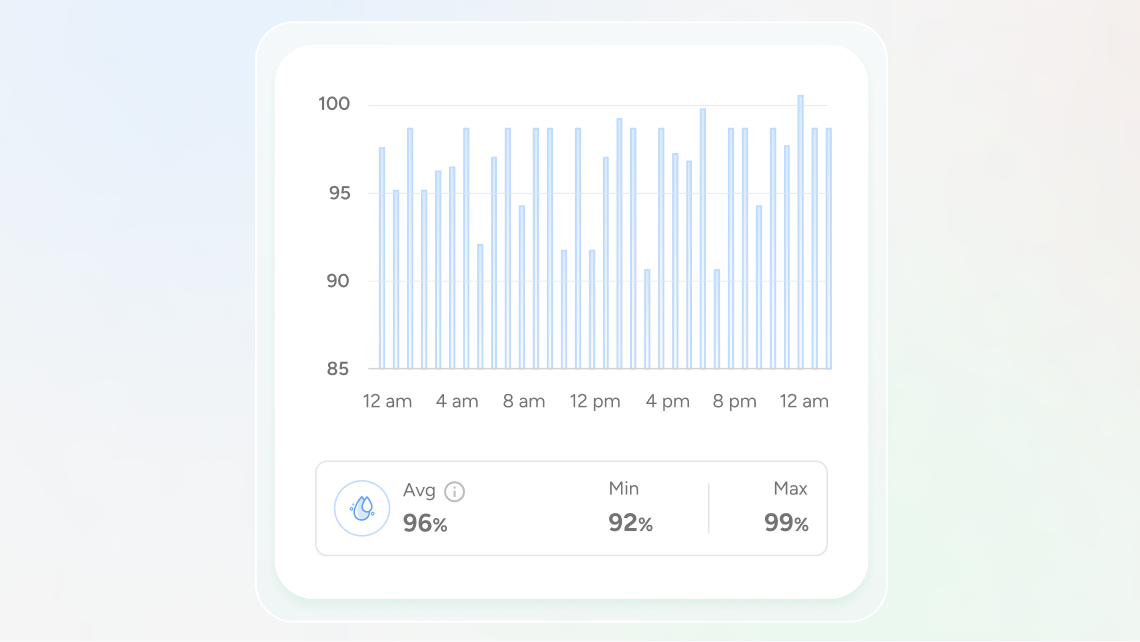
Oxygen levels (VO2 Max)
Monitoring oxygen levels is crucial for assessing respiratory health and overall well-being. Your VO2 measures how efficiently your body utilises oxygen and knowing your VO2 Max can help you measure fitness and heart health improvements over time. VO2 Max is especially helpful for intense workout. Think of VO2 Max as the maximal oxygen consumption by your body during workout. A higher VO2 max means your body is relatively better at taking oxygen from the air and delivering it to your muscles. Low VO2 Max means you have poor cardio fitness, as your body isn't able to take in and use oxygen very efficiently.
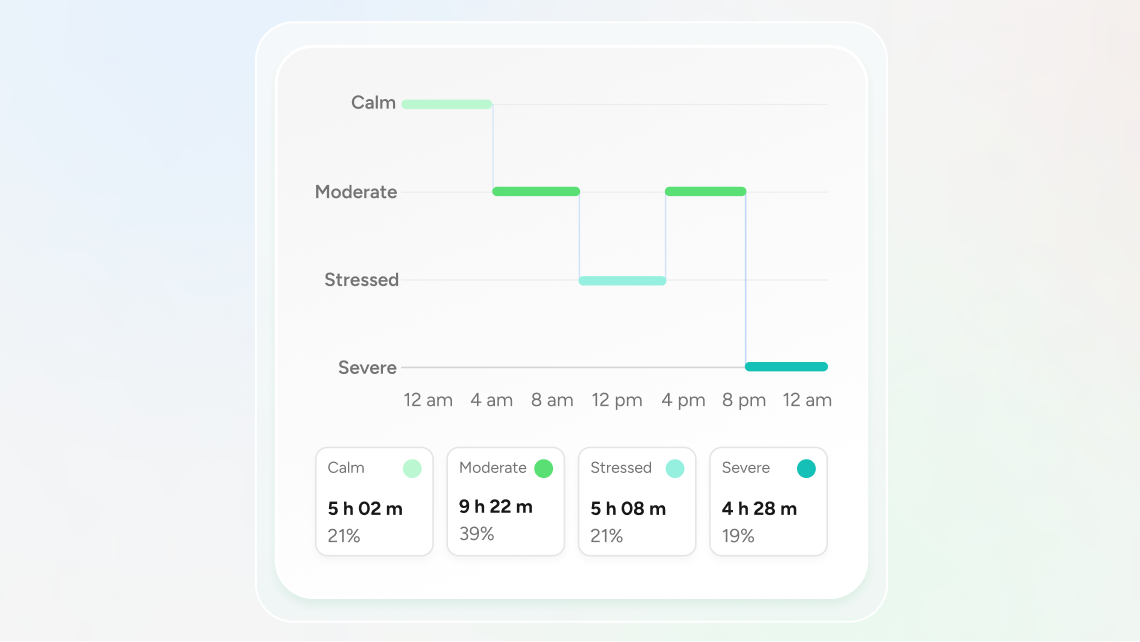
Breathing rate
Monitoring breathing rate is a key aspect of health assessment, providing valuable insights into respiratory efficiency. The number of breaths per minute reflects the body's oxygen exchange and metabolic activity. Regular tracking of it as body metrics, often facilitated by wearable devices or health apps, aids in identifying anomalies that may indicate stress, anxiety, or respiratory issues. Abnormal breathing rates can be early indicators of conditions like asthma or respiratory infections. This proactive approach allows individuals to optimise relaxation techniques, manage stress, and seek medical attention if necessary.
How to choose the right smart ring?
Choosing the right smart ring requires a thoughtful consideration of various factors to align with individual preferences and health monitoring needs. Firstly, assess the range of health metrics the smart ring monitors. Some focus on basics like heart rate and sleep, while others include advanced features like oxygen saturation, temperature, or activity tracking. It's crucial to choose a device that aligns with specific health goals.
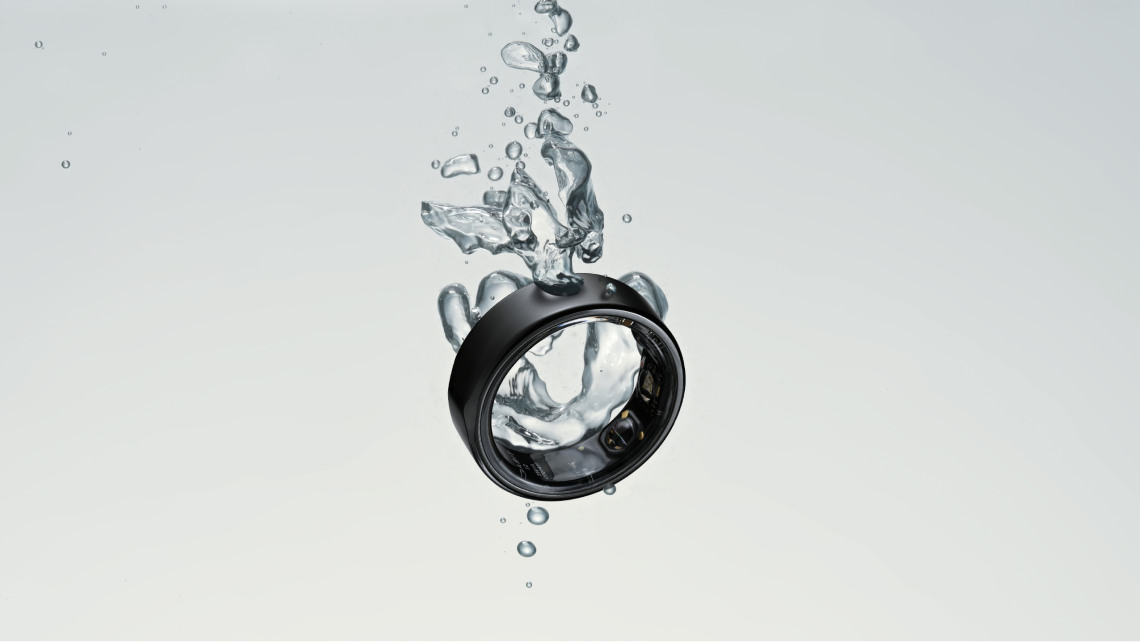
Consider the design and comfort of the smart ring, as it needs to be worn consistently for accurate tracking. Opt for a lightweight and water-resistant model suitable for daily activities and exercise. Compatibility with smartphones and integration with health apps are also vital, ensuring seamless data synchronisation for a comprehensive health overview.
Battery life is a practical consideration. A longer battery life means less frequent charging, enhancing the device's usability. Additionally, explore the connectivity options, whether the smart ring syncs wirelessly with smartphones or requires physical connections.
User reviews and brand reputation offer valuable insights into real-world performance and customer satisfaction. A reputable brand with positive reviews often indicates reliability. Finally, consider the budget, as smart rings come in various price ranges. While premium models may offer advanced features, more budget-friendly options can still provide essential health monitoring capabilities.
Conclusion
Monitoring six key health metrics—heart rate, sleep patterns, body temperature, calories burned, oxygen levels, and breathing rate—provides a holistic approach to personal well-being. These body metrics offer valuable insights into cardiovascular health, metabolic activity, respiratory efficiency, and overall vitality. Embracing a proactive stance toward health necessitates a comprehensive understanding of these factors, as deviations can signal underlying issues that may require attention.
The integration of smart rings into health monitoring is a transformative leap in personalised healthcare. These compact and versatile wearables offer a seamless and continuous tracking experience, allowing individuals to stay informed about their health in real time and make note of the good health indicators. The convenience of wearables, coupled with advanced sensor technologies, empowers users to make data-driven decisions regarding physical activity, sleep hygiene, stress management, and overall lifestyle choices.
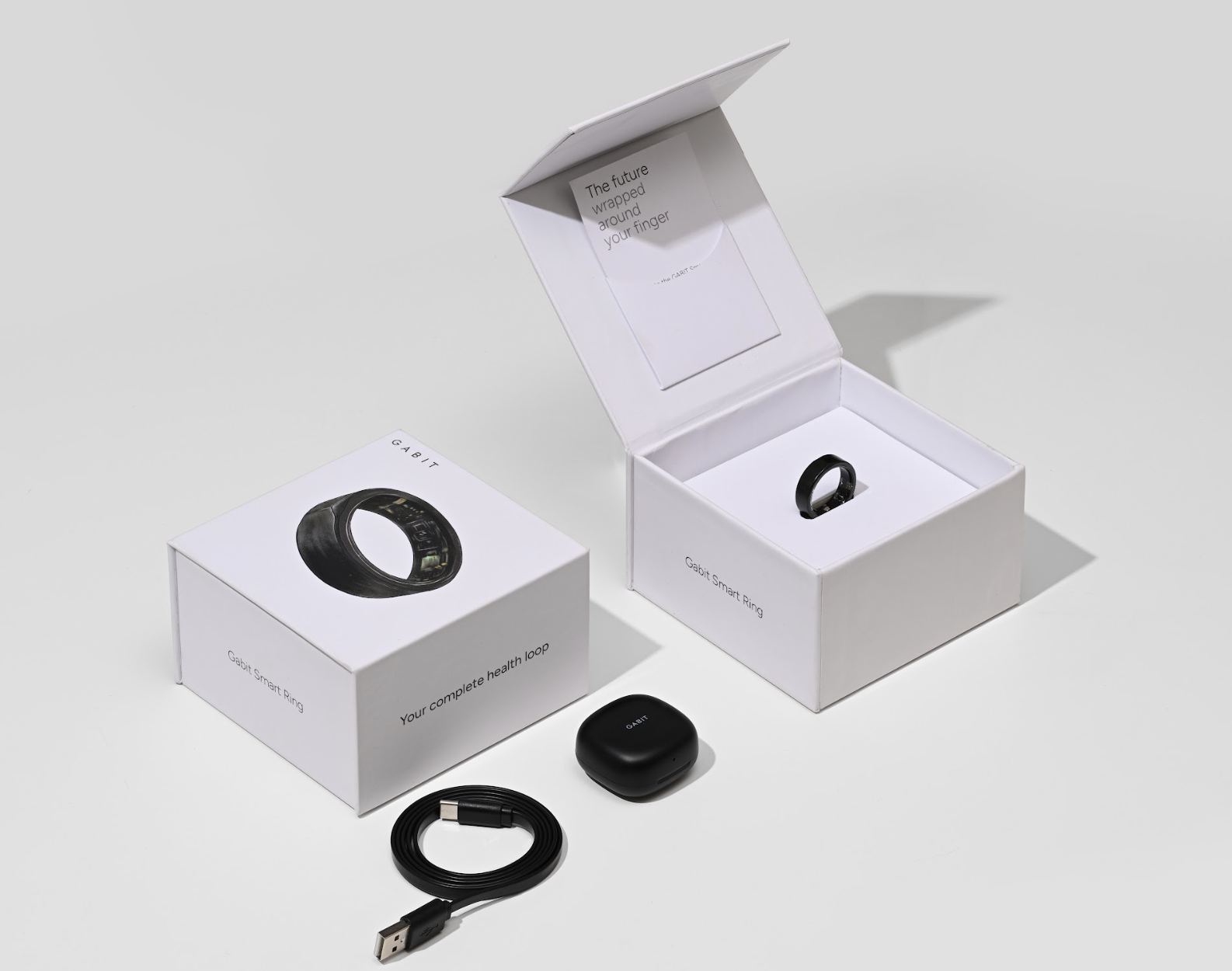
As technology advances, smart rings are poised to play an increasingly pivotal role in preventive healthcare. The discrete nature of these devices encourages consistent use, fostering a continuous and unobtrusive health monitoring experience. By leveraging the power of smart rings to track the six key health markers, individuals can take charge of their well-being, enabling early detection of potential issues and promoting a proactive and personalised approach to health maintenance.
Frequently Asked Questions
How do smart rings measure heart rate?
Smart rings typically measure heart rate using optical sensors that emit light into the skin and detect variations in blood flow, allowing them to calculate heart rate based on the pulsatile nature of blood circulation. This non-invasive method provides real-time data and enables continuous monitoring for a comprehensive understanding of cardiovascular health.
How do smart rings analyse sleep patterns?
Smart rings analyse sleep patterns by monitoring movements and physiological changes during the night using accelerometers and other sensors. By tracking sleep cycles and stages, these devices provide insights into sleep quality, helping users optimise their sleep routines for better overall well-being.
What role do smart rings play in maintaining overall mental health?
Smart rings contribute to maintaining overall mental health by tracking various health metrics like stress levels, sleep patterns, and physical activity, providing users with actionable insights to manage stress, improve sleep, and promote a balanced lifestyle, fostering holistic well-being. Their continuous monitoring capabilities empower individuals to make informed decisions that positively impact mental health in a personalised and proactive manner.
How do smart rings encourage behaviour change for better health?
Smart rings encourage behaviour change by providing real-time data on activity, sleep, and other health metrics, fostering self-awareness. With personalised insights and goal tracking, they motivate users to make positive lifestyle choices, promoting better health through continuous monitoring and actionable feedback.
Are smart rings compatible with other health apps and devices?
Yes, smart rings are designed for compatibility with various health apps, allowing seamless integration with smartphones and other devices. This enables users to consolidate body metrics, providing a comprehensive overview for more effective health monitoring and management.